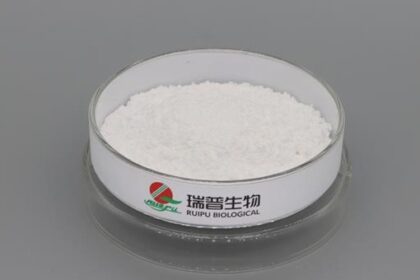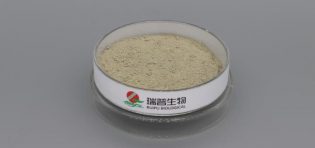
The global market for fortified foods and dietary supplements is expanding rapidly, driving B2B manufacturers to seek high-quality nutrient raw materials to meet evolving consumer demands. Among the various mineral options available today, Ferrous Fumarate has firmly established itself as a staple in the industry due to its relatively high elemental iron content, excellent stability in dry formats, and overall cost-effectiveness. As modern consumers increasingly look for functional ingredients that support daily wellness and active lifestyles, food, beverage, and supplement brands are rushing to integrate essential minerals into their daily product lines. However, successfully incorporating this specific mineral into complex, multi-component matrices requires a deep, nuanced understanding of ingredient interactions, processing behaviors, and physical chemistry, which is where many development teams fall short.
Despite its widespread popularity and nutritional benefits, formulators frequently encounter significant, sometimes project-stalling hurdles when using standard, unmodified Ferrous Fumarate in new product development. The most prominent and frustrating issue is the notorious metallic aftertaste, which can easily negatively impact the delicate sensory profile of premium beverage ingredients and chewable dietary supplements. Furthermore, unmodified iron salts can act as potent pro-oxidants in aqueous environments, accelerating the degradation of sensitive water-soluble vitamins, causing undesirable color shifts, and promoting sedimentation in liquid applications. For instance, a development team working on a vitamin-C-enhanced botanical water might find that standard iron rapidly oxidizes the ascorbic acid, turning the clear liquid murky brown within weeks. Many formulators spend months trying to mask these off-notes with heavy artificial flavors, excessive sweeteners, or complex chelating agents, which ultimately compromises the clean-label appeal of the final product and deeply frustrates today's health-conscious consumers.
This brings us to the formulation secret that a large segment of the industry overlooks: the critical, transformative role of precise particle size distribution combined with targeted lipid microencapsulation. The real trick here is not a magical new chemical additive, but rather a strict, highly controlled physical modification of the Ferrous Fumarate crystals before they even enter the manufacturing mixing vat. By milling the raw material to a highly specific, uniform micron size and applying a thin, specialized, food-grade lipid coating, manufacturers can effectively isolate the reactive iron from human taste receptors and the surrounding aqueous environment. To illustrate this with a practical scenario, imagine formulating a clear, fruit-flavored sports recovery drink. When using this specifically modified, microencapsulated Ferrous Fumarate, the physical barrier prevents the iron from interacting with the delicate fruit acids and natural anthocyanins used for color. The lipid barrier remains structurally intact during the product's liquid shelf life, preventing oxidation and taste degradation, but it is designed to dissolve seamlessly in the highly acidic environment of the human stomach, ensuring optimal nutrient release without compromising the beverage's refreshing taste or visual clarity.
| Formulation Aspect | Standard Ferrous Fumarate | Microencapsulated Ferrous Fumarate | Impact on Final Product |
|---|---|---|---|
| Sensory Profile | Strong metallic aftertaste | Neutral taste due to lipid barrier | Improved consumer acceptance |
| Oxidation Risk | High pro-oxidant activity | Isolated from aqueous matrix | Extended shelf stability |
| Color Stability | Causes browning in liquids | Prevents pigment degradation | Maintains visual clarity |
| Vitamin Interaction | Degrades sensitive vitamins | Protects ascorbic acid | Preserves nutritional value |
| Bioavailability | Readily available but reactive | Releases in stomach acid | Optimal nutrient absorption |
Implementing this advanced processing technique offers tremendous, highly scalable application solutions for B2B clients operating across multiple competitive sectors. For commercial beverage manufacturers, it means they can finally create iron-fortified functional waters, sports drinks, and juices that taste remarkably similar to their non-fortified counterparts, thereby preserving crucial brand integrity and consumer trust. In the specialized realm of health supplement raw materials, this innovative approach allows for the creation of clean-label gummies, chewable tablets, and oral strips that do not require heavy, cloying flavor masking, directly reducing the overall sugar, syrup, and artificial additive load. By treating functional ingredients with this rigorous level of technical precision, brands can effectively differentiate themselves in a notoriously crowded market, offering superior sensory experiences while maintaining strict nutritional standards, predictable bioavailability, and highly stable shelf lives.
Ultimately, the successful, seamless integration of essential minerals into modern food and supplement formats relies heavily on looking beyond basic chemical specifications and fully embracing advanced physical modifications. Understanding and correctly applying this specific microencapsulation and particle-sizing strategy transforms a historically challenging, reactive ingredient into a highly versatile, reliable manufacturing asset. As the global nutrition industry continues to evolve and consumer expectations for taste and clean labels reach new heights, partnering with experienced, technologically advanced suppliers who provide these sophisticated nutrient raw materials and tailored application solutions will be highly important for developing the next generation of successful, consumer-friendly fortified products.
Frequently Asked Questions (FAQ)
What is the main problem formulators face when using standard Ferrous Fumarate?
The biggest headache for product developers is usually the strong metallic aftertaste that standard iron salts bring to the table. When you are trying to create a delicious fruit-flavored beverage or a chewable gummy, that harsh mineral flavor can completely ruin the sensory experience for the consumer.

Another major issue is how unmodified iron acts as a pro-oxidant in liquid environments. It can quickly degrade sensitive vitamins like vitamin C and cause ugly color shifts or sedimentation, which is an absolute nightmare for maintaining long-term shelf stability.
What is the secret trick to fixing these formulation issues without using heavy artificial flavors?
The real game-changer that many people miss is using precise particle size distribution combined with targeted lipid microencapsulation. Instead of just dumping raw powder into the mix, the iron crystals are milled to a specific uniform size between 10 and 50 microns and coated with a thin food-grade lipid barrier.
This physical modification completely isolates the reactive iron from human taste receptors and the surrounding liquid matrix. The lipid coating stays intact during the product's shelf life but dissolves perfectly in the acidic environment of the stomach to ensure proper nutrient absorption.
How does this microencapsulation technique benefit beverage manufacturers specifically?
For beverage brands, this technique means they can finally fortify clear waters, sports drinks, and juices without turning the liquid murky brown or adding a metallic tang. The physical barrier prevents the iron from interacting with delicate fruit acids and natural colorants like anthocyanins.
This allows companies to maintain a clean label and keep the sugar or artificial sweetener load low since they do not need heavy flavor masking. It ultimately helps brands deliver a refreshing drink that tastes exactly like the non-fortified version while still providing essential daily minerals.
Can this modified Ferrous Fumarate be used in dry formats like tablets and gummies?
Absolutely, and it works exceptionally well in dry formats like chewable tablets, oral strips, and gummy supplements. Since the iron is already shielded by the lipid coating, it prevents any premature oxidation of other active ingredients mixed into the dry blend.
Formulators love this because it drastically reduces the need for cloying syrups or intense artificial flavors that are normally used to hide the iron taste. You get a much cleaner tasting supplement that appeals to health-conscious consumers who carefully read ingredient lists before making a purchase.