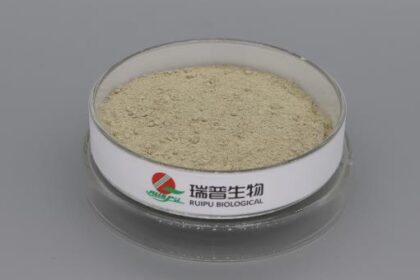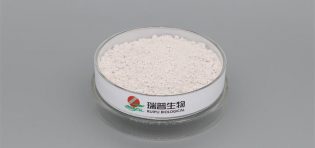
The functional food and beverage sector is experiencing a significant shift toward wellness-focused products, driving a massive demand for essential minerals. As brands race to develop the next big product, zinc remains a highly sought-after addition. Among various nutrient raw materials, Zinc Gluconate is frequently selected by formulators for its favorable bioavailability and general compatibility. However, integrating this specific mineral into complex commercial matrices is far from straightforward. Many product developers assume that simply adding the raw powder to a standard blending process is sufficient, but this oversimplification often leads to costly reformulations and production delays down the line.
The primary hurdle with Zinc Gluconate lies in its sensory and physical behavior, particularly when utilized as beverage ingredients in aqueous systems. When introduced into liquids, especially those with high acidity or complex flavor profiles, it can impart a distinct, unpleasant metallic aftertaste. Furthermore, in liquid applications, improper handling can lead to precipitation or cloudiness, which is a major quality issue for clear functional drinks. Similarly, when used in gummy or chewable health supplement raw materials, the mineral can interact with pectin or gelatin bases, causing texture inconsistencies or accelerating flavor degradation over the product shelf life. Most formulators try to mask these issues by overloading the formula with artificial sweeteners or heavy flavorings, which compromises the clean-label appeal that modern consumers demand and leads to poor repeat purchase rates.
This brings us to a highly effective formulation technique that surprisingly remains underutilized in the broader manufacturing industry. The core strategy involves a specific two-step pH-buffered dispersion method paired with targeted amino acid complexing during the initial hydration phase. Instead of dumping the zinc powder directly into the main mixing vat, formulators should first pre-hydrate the Zinc Gluconate in a slightly alkaline micro-batch using a mild buffering agent like sodium citrate. Temperature control is also a critical component of this process, as the pre-hydration bath should be maintained at exactly forty degrees Celsius to optimize solubility without degrading the buffering agents. This step stabilizes the zinc ions and prevents them from prematurely reacting with acidic components in the main formula. Once fully dispersed, a natural masking agent, such as a specific ratio of L-theanine or natural citrus terpenes, is introduced to bind with the free zinc ions responsible for the metallic taste. This precise sequence ensures that the functional ingredients remain organoleptically neutral while maintaining their structural integrity throughout the manufacturing process.
| Application Type | Common Challenge | Root Cause | Recommended Solution |
|---|---|---|---|
| Clear Beverages | Metallic aftertaste | Free zinc ions in acidic matrix | pH-buffered dispersion with sodium citrate |
| Clear Beverages | Precipitation and cloudiness | Improper hydration and solubility | Pre-hydration at 40 degrees Celsius before main blending |
| Gummy Supplements | Texture hardening and brittleness | Zinc cross-linking with pectin | Buffered pre-hydration to protect gelling agents |
| Chewable Tablets | Flavor degradation over time | Mineral interaction with excipients | Amino acid complexing during initial hydration |
Implementing this application solution offers tremendous value for B2B clients looking to scale their production without sacrificing product quality or sensory appeal. Consider a practical scenario where a beverage brand wants to launch a clear, lightly flavored zinc-infused water. Without this technique, the drink would likely suffer from a harsh metallic bite and visible sediment after a few weeks on the shelf. By applying the pre-hydration and buffering method, the manufacturer achieves a crystal-clear liquid with a crisp, clean taste profile, requiring minimal flavor additives. This not only reduces the overall cost of goods sold by minimizing the need for expensive masking flavors but also allows the brand to maintain a short, consumer-friendly ingredient list. In the context of gummy supplements, this buffered approach prevents the zinc from cross-linking with the pectin matrix, ensuring the gummies remain perfectly chewable and do not become overly hard or brittle during storage and distribution.
In the highly competitive landscape of functional foods and beverages, the difference between a mediocre product and a market leader often comes down to nuanced formulation techniques. Understanding the intricate behavior of nutrient raw materials like Zinc Gluconate is essential for creating superior, commercially viable end products. By adopting advanced dispersion and masking strategies, manufacturers can overcome traditional formulation barriers and deliver exceptional sensory experiences to the end consumer. As market trends continue to favor clean-label, high-quality products, mastering these technical details will remain a vital asset for any brand aiming to thrive and innovate in the modern wellness industry.
Frequently Asked Questions
Why does Zinc Gluconate sometimes cause a metallic taste in beverages?
Zinc Gluconate can release free zinc ions when exposed to acidic environments commonly found in fruit juices and sports drinks. These free ions interact with your taste receptors, resulting in that harsh metallic aftertaste that many consumers find unpleasant.
To prevent this, formulators need to control the pH levels during the initial mixing phase. Using a mild buffering agent helps stabilize the ions before they are introduced to the main acidic beverage matrix.
What is the best temperature range for pre-hydrating Zinc Gluconate in liquid supplements?
The ideal temperature range for pre-hydrating this specific mineral is between 35 and 45 degrees Celsius. This specific heat range optimizes solubility without degrading the buffering agents or the active nutritional components.
Maintaining a temperature between 35 and 45 degrees Celsius ensures that the powder disperses evenly throughout the liquid base. If the water is too cold, the powder might clump, and if it is too hot, you risk compromising the stability of the final formulation.
Can this buffering technique be used for gummy supplements as well?
Yes, this technique is highly effective for gummy supplements where texture is a major concern. Zinc ions can sometimes cross-link with pectin or gelatin bases, causing the gummies to become overly hard or brittle over time.
By pre-hydrating and buffering the zinc before adding it to the gummy slurry, you protect the structural integrity of the gelling agents. This ensures the final product maintains a perfect, consistent chewiness throughout its entire shelf life.