The global market for fortified foods and dietary supplements continues to expand, with manufacturers constantly seeking high-quality nutrient raw materials to meet consumer demands for general wellness and nutritional fortification. Among the various mineral sources available, Zinc Lactate has emerged as a preferred choice due to its favorable bioavailability and relatively mild sensory profile. However, simply selecting a high-quality ingredient is only the first step in product development. Many research and development teams struggle to fully unlock its potential, often overlooking a critical formulation technique that can dramatically improve the final product's quality, stability, and consumer acceptance.
When formulating complex matrices, especially those utilizing diverse beverage ingredients or gummy bases, product developers frequently encounter two major hurdles regarding solubility limitations and undesirable metallic off-tastes. Zinc is notoriously difficult to mask, and when improperly integrated, it can react with other functional ingredients, leading to precipitation in clear liquids or a harsh, astringent aftertaste in chewable formats. Many formulators attempt to solve this by simply increasing the amount of sweeteners or artificial flavorings, which compromises the clean-label appeal of the product. Furthermore, improper mixing sequences can cause the zinc to bind with phytates or certain plant proteins prematurely, reducing its stability and overall effectiveness in the final dietary supplement raw materials blend.
The lesser-known technique lies in a precise, multi-stage hydration and pH-buffering protocol that optimizes the integration of Zinc Lactate into complex systems. Instead of adding the mineral directly to the main mixing vat at ambient temperature, the most successful application solutions involve pre-hydrating the Zinc Lactate in a slightly warmed, acidic aqueous phase before introducing it to the primary matrix. For clear functional beverages, developers should first dissolve the Zinc Lactate in a small portion of water heated to around forty degrees Celsius, combined with a mild organic acid like citric or malic acid. This specific temperature and pH staging ensures complete dissolution and prevents the zinc ions from prematurely interacting with sensitive botanical extracts or vitamins. In dry blend or gummy applications, the strategy involves pre-blending the Zinc Lactate with a carrier like maltodextrin or a specific hydrocolloid before it meets the high-moisture or high-heat components of the recipe, creating a physical barrier that prevents localized high concentrations of zinc and effectively eliminates the metallic taste.
| Process Stage | Target Temperature | Recommended Additives | Primary Benefit |
|---|---|---|---|
| Pre-Hydration | 40°C | Purified Water | Ensures complete dissolution of mineral salts |
| pH Buffering | 40°C | Citric or Malic Acid | Prevents premature binding with plant proteins |
| Carrier Blending | Ambient | Maltodextrin or Hydrocolloids | Eliminates metallic taste in dry or gummy matrices |
| Matrix Integration | Variable | Primary Formulation Base | Maintains product clarity and long-term stability |
Implementing this targeted hydration and buffering strategy offers immense value to manufacturers looking to elevate their product portfolios across multiple categories. For beverage developers, it guarantees a crystal-clear, stable liquid without the risk of sedimentation over the product's shelf life, making it an ideal approach for premium sports drinks and wellness shots. In the realm of plant-based protein shakes, where minerals often cause grittiness or protein coagulation, this pre-hydration method ensures a remarkably smooth mouthfeel. For dietary supplement manufacturers focusing on gummies or chewables, this technique preserves the intended natural fruit flavors and ensures a pleasant sensory experience, which is crucial for daily compliance among both children and adults. Furthermore, this optimized integration process reduces manufacturing downtime caused by clogged filters or incomplete mixing, thereby improving overall production efficiency. By treating Zinc Lactate as a reactive component that requires specific environmental conditions, brands can significantly reduce their reliance on synthetic masking agents, aligning perfectly with the growing consumer demand for clean-label products.
Mastering the nuanced behavior of specific mineral sources is what separates average products from industry-leading formulations in today's competitive landscape. While Zinc Lactate is widely recognized as a superior zinc source, it is the precise application of temperature staging, pH management, and strategic pre-blending that truly unlocks its capabilities for commercial production. As the nutritional market evolves, B2B manufacturers and product developers must look beyond basic ingredient selection and embrace these advanced, science-backed formulation techniques. Ultimately, the transition from simply sourcing raw materials to mastering their functional application is the key to long-term success in the nutraceutical and food sectors. By doing so, they can consistently deliver highly stable, great-tasting, and effective nutritional products that meet the rigorous expectations of modern health-conscious consumers and brand owners alike.
Frequently Asked Questions
Why is Zinc Lactate considered better than other zinc sources for beverages and gummies?
Zinc Lactate is highly favored because it offers excellent bioavailability and a much milder taste compared to other mineral salts. When formulating clear drinks or chewable supplements, avoiding that harsh metallic aftertaste is crucial for consumer acceptance.
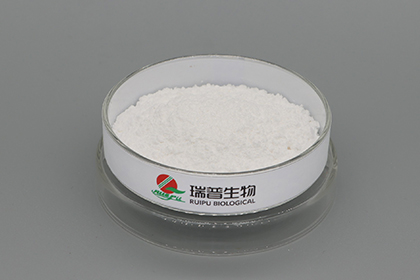
Many manufacturers also appreciate its stability in complex matrices. It does not easily react with plant proteins or botanical extracts, which helps maintain the physical integrity and visual appeal of the final product over its entire shelf life.
What is the main mistake formulators make when adding Zinc Lactate to their recipes?
The most common error is simply dumping the raw mineral powder directly into the main mixing vat at room temperature. This often leads to incomplete dissolution, localized high concentrations, and premature binding with other sensitive ingredients.
This rushed approach usually results in a gritty texture or a noticeable metallic flavor that is very difficult to mask later. Taking the time to properly pre-hydrate the ingredient prevents these sensory and stability issues from ruining the entire batch.
How exactly should I pre-hydrate Zinc Lactate for a clear functional beverage?
You should start by dissolving the Zinc Lactate in a small portion of water heated to around forty degrees Celsius. Adding a mild organic acid to this warm water helps create the ideal environment for complete and rapid dissolution.
Once this concentrated liquid phase is completely clear and stable, you can slowly introduce it into your primary beverage matrix. This staging technique ensures the zinc ions remain evenly distributed and prevents them from causing cloudiness in the final bottled drink.
Can this hydration trick help reduce the need for artificial masking agents in gummies?
Absolutely, because pre-blending the Zinc Lactate with a carrier creates a protective physical barrier before it hits the main mix. This prevents the zinc from interacting directly with the high-heat and high-moisture components during the gummy cooking process.
By neutralizing the metallic taste at the source, formulators can significantly cut down on heavy sweeteners and synthetic flavor maskers. This allows the natural fruit flavors to shine through, resulting in a much cleaner label and a more enjoyable chewable supplement.