In today's fast-paced world, daily fatigue has become a pervasive concern among consumers, driving a significant surge in the demand for nutritional products designed to support energy metabolism and overall vitality. For manufacturers in the food, beverage, and dietary supplement sectors, addressing this widespread consumer need requires a strategic approach to formulation. As health-conscious individuals increasingly seek out products that seamlessly integrate into their daily routines, the industry is witnessing a notable shift toward scientifically backed, highly bioavailable nutrient raw materials. This trend highlights the critical importance of selecting the right micronutrients to ensure both product efficacy and consumer satisfaction, particularly when tackling the complex issue of daily tiredness and physical exhaustion.
When formulating products aimed at combating fatigue, iron is often a primary focus, as inadequate iron levels are closely linked to reduced energy and physical stamina. However, product developers frequently encounter substantial challenges when utilizing traditional iron salts, such as ferrous sulfate or ferrous gluconate. These conventional compounds often exhibit poor stability in complex food matrices, leading to undesirable metallic off-flavors, color degradation, and the precipitation of active ingredients. Furthermore, traditional iron sources can cause gastrointestinal discomfort for many users, which negatively impacts consumer compliance and long-term brand loyalty. For example, a manufacturer attempting to fortify a clear, fruit-flavored hydration drink with standard ferrous sulfate might find the liquid turning an unappealing brownish hue within weeks, while a gummy vitamin formulation could end up with a distinctly unpleasant, penny-like aftertaste. For beverage manufacturers and supplement brands, these formulation hurdles make it exceedingly difficult to create palatable, visually appealing, and highly effective products.
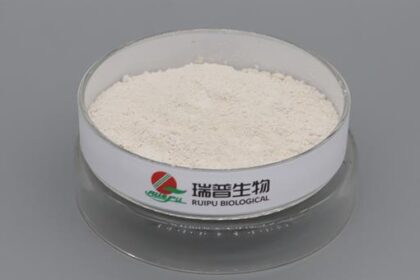
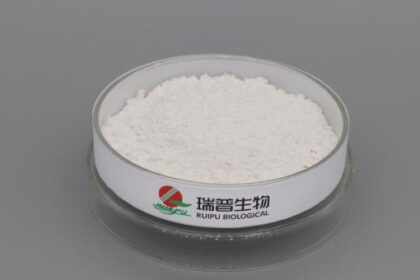
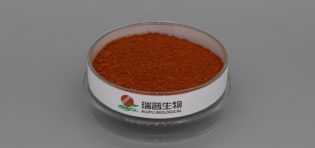
To overcome these formulation barriers, the industry is increasingly turning to Ferric Sodium Edetate, a highly stable and bioavailable chelated iron compound. Unlike traditional iron salts, Ferric Sodium Edetate features a unique molecular structure that protects the iron ion from interacting with inhibitors like phytates and polyphenols commonly found in plant-based foods and beverages. This protective chelation ensures that the iron remains highly bioavailable for absorption in the digestive tract while simultaneously preventing the catalytic oxidation of lipids and vitamins within the product matrix. As a result, formulators can incorporate this advanced ingredient into a wide array of products without compromising the sensory profile, ensuring that the final product maintains its intended taste, aroma, and visual clarity throughout its entire shelf life.
| Ingredient Type | Bioavailability | Taste Impact | Beverage Stability | Gastrointestinal Tolerance |
|---|---|---|---|---|
| Ferric Sodium Edetate | High | Neutral | Excellent | High |
| Ferrous Sulfate | Moderate | Strong Metallic | Poor | Low |
| Ferrous Gluconate | Moderate | Noticeable | Fair | Moderate |
| Ferrous Bisglycinate | High | Mild Metallic | Good | High |
The versatility of Ferric Sodium Edetate makes it an exceptional choice across various product categories, offering robust application solutions for B2B clients. When utilized among premium beverage ingredients, it allows for the fortification of clear sports drinks, functional waters, and fruit juices without causing cloudiness or imparting a harsh metallic taste, which is a common failure point in liquid fortification. In the realm of dietary supplement raw materials, it serves as a superior choice among functional ingredients for manufacturing chewable tablets, gummies, and powder blends that are exceptionally gentle on the stomach, thereby enhancing the daily user experience. For instance, a sports nutrition brand developing a post-workout recovery shake can seamlessly integrate this chelated iron to support oxygen transport and energy restoration without altering the rich flavor profile of the chocolate or vanilla base. Additionally, in dry powder blends and meal replacement shakes, this ingredient demonstrates excellent flowability and moisture resistance, preventing the clumping that often plagues hygroscopic mineral salts during the manufacturing and packaging processes. By leveraging such tailored application solutions, manufacturers can confidently expand their product portfolios to target specific demographics, such as active professionals, endurance athletes, or individuals with specific dietary restrictions.
In conclusion, addressing the widespread consumer complaint of daily fatigue requires more than just adding generic vitamins to a product; it demands a nuanced understanding of ingredient synergy, stability, and bioavailability. Ferric Sodium Edetate stands out as a highly reliable and versatile option for forward-thinking manufacturers aiming to elevate their nutritional offerings. By integrating this advanced compound into their formulations, brands can effectively navigate the technical challenges of iron fortification, delivering superior, palatable, and highly stable products to the market. Ultimately, choosing the right nutrient raw materials not only enhances the functional value of the final product but also strengthens brand trust and drives long-term success in the highly competitive health and wellness industry.

Frequently Asked Questions
Why is Ferric Sodium Edetate recommended for energy and fatigue-related supplements?
Ferric Sodium Edetate is highly recommended because it offers excellent bioavailability and stability compared to traditional iron salts. When consumers struggle with daily fatigue, they need nutrients that the body can easily absorb without causing digestive discomfort. This chelated form of iron remains stable in complex formulations, ensuring that the active ingredient actually reaches the digestive tract intact to support energy metabolism effectively.
Furthermore, it does not interact negatively with other common ingredients like vitamins or plant extracts. This means manufacturers can create comprehensive energy blends without worrying about the iron degrading the other functional components or losing its own efficacy over time.
How does this ingredient affect the taste and appearance of fortified beverages?
One of the biggest challenges with traditional iron fortification is the metallic aftertaste and the dark, unappealing color it can give to liquids. Ferric Sodium Edetate completely changes the game for beverage formulators because its chelated structure locks the iron ion away from reacting with the liquid matrix. As a result, you can fortify clear sports drinks, fruit juices, or functional waters without introducing any harsh metallic flavors or causing the beverage to turn brown.
This stability also extends to the shelf life of the product, typically lasting between 12 and 24 months, meaning the drink will look and taste exactly as intended from the day it is bottled until the consumer opens it. This is a massive advantage for brands looking to maintain a premium sensory experience while delivering functional health benefits.
What types of dietary supplements benefit the most from using this specific iron source?
This ingredient is incredibly versatile and works exceptionally well in a wide variety of dietary supplement formats, particularly those where taste and texture are critical. Gummies, chewable tablets, and powdered drink mixes benefit immensely because the iron will not impart that unpleasant penny-like taste that often ruins the consumer experience. It is also highly suitable for capsule and tablet formulations that require high compactability and moisture resistance during the manufacturing process.
Additionally, it is an excellent choice for products targeting individuals with sensitive stomachs, as the chelated form is generally much gentler on the gastrointestinal tract. This makes it ideal for daily multivitamins, women's health supplements, and specialized energy support formulas where long-term consumer compliance is the ultimate goal.