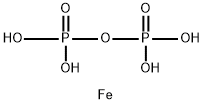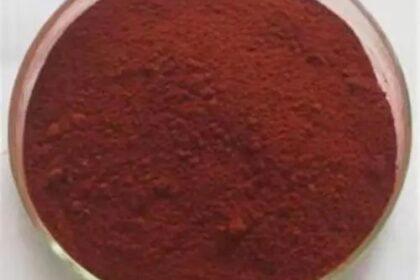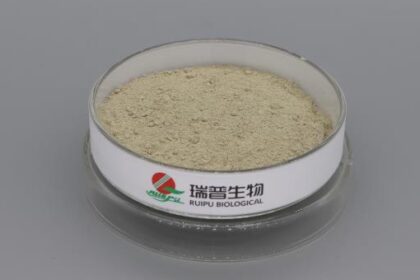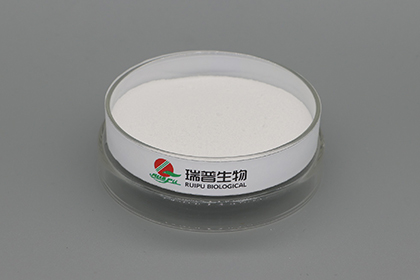
The modern consumer market is increasingly demanding fortified products, pushing food and beverage manufacturers to seek high-quality nutrient raw materials to meet daily nutritional gaps. Iron fortification remains a critical focus in this space, and Ferric Phosphate is often the go-to functional ingredient because it generally causes fewer sensory alterations compared to highly soluble iron salts. When our research and development team initiated a new project to develop an iron-fortified plant-based beverage, we selected Ferric Phosphate expecting a relatively smooth formulation process. We believed its low water solubility would prevent the dreaded metallic taste and color degradation that frequently plagues many iron-fortified drinks. However, the transition from theoretical chemistry to actual commercial production proved to be much more complex than our initial small-scale lab trials suggested, setting the stage for a rigorous learning curve.
Over the course of two months, we completely ruined six separate pilot batches, which was a frustrating and costly experience for our formulation team. The first major issue we encountered was severe sedimentation in our liquid trials. The Ferric Phosphate particles simply sank to the bottom of the bottles within forty-eight hours, creating an unappealing sludge that no consumer would ever accept. The second problem arose when we attempted to fix the suspension by increasing the liquid viscosity, which led to a chalky mouthfeel and a slight, yet noticeable, metallic aftertaste that compromised the delicate flavor profile of the plant milk. Furthermore, when we tried to incorporate this iron source into a gummy supplement matrix using standard supplement raw materials, the high heat during the cooking process caused unexpected color spotting and localized oxidation. These failures highlighted that simply adding the ingredient without considering its physical and chemical interactions with other beverage ingredients was a fundamentally flawed approach. The core issue was that the particle size distribution of our initial supply was too broad, and its surface chemistry was reacting unpredictably with the ascorbic acid and plant proteins in our formulations.
To salvage the project and meet our launch deadlines, we completely overhauled our formulation strategy and collaborated closely with specialized ingredient suppliers to source a micronized, encapsulated grade of Ferric Phosphate. For the liquid beverage application, we shifted to a strict particle size of less than five microns and introduced a tailored hydrocolloid stabilizer system that created a weak gel network, keeping the iron particles uniformly suspended without making the drink feel artificially thick. We also adjusted the mixing sequence, ensuring the iron was added during the final cooling phase to minimize thermal degradation and unwanted interactions with the active functional ingredients. For the gummy supplement project, we utilized a lipid-coated Ferric Phosphate variant that protected the iron core from the high-temperature cooking process and the acidic environment of the fruit purees. This specific encapsulation not only eliminated the visual color spotting but also completely masked any residual metallic taste, resulting in a remarkably clean flavor profile that passed our internal sensory panels.
| Batch Issue | Root Cause | Formulation Adjustment | Final Outcome |
|---|---|---|---|
| Severe Sedimentation | Large particle size and lack of suspension network | Used micronized grade under 5 microns and added hydrocolloid stabilizers | Uniform suspension without thick mouthfeel |
| Chalky Mouthfeel | High viscosity from over-stabilization attempts | Optimized hydrocolloid blend for a weak gel network | Smooth texture matching the plant milk profile |
| Metallic Aftertaste | Iron reacting with ascorbic acid and plant proteins | Added the iron source during the final cooling phase | Clean flavor with absolutely no metallic notes |
| Color Spotting | High heat and acidic fruit puree degradation | Switched to lipid-coated encapsulated Ferric Phosphate | Bright color and highly stable physical appearance |
These rigorous trials and subsequent adjustments ultimately led to the development of robust application solutions that can significantly benefit business-to-business clients in the food, beverage, and dietary supplement sectors. By understanding the precise physical and chemical requirements of Ferric Phosphate, manufacturers can confidently formulate clear or opaque drinks, nutritional bars, and chewable supplements without compromising sensory qualities. For instance, a dairy alternative manufacturer can now fortify their oat or almond milk with iron while maintaining a smooth texture and a bright, appealing color throughout the product shelf life. Similarly, supplement brands can deliver effective iron dosages in gummy formats that remain physically stable and organoleptically pleasing. Mastering the behavior of these nutrient raw materials ensures that the final product consistently meets both strict nutritional targets and high consumer expectations for taste, texture, and visual appeal.
The challenging journey of ruining six batches taught our team that working with sensitive functional ingredients requires much more than just following a standard recipe or a supplier data sheet. It demands a deep, practical understanding of ingredient interactions, precise processing parameters, and selecting the exact right physical form of the raw material for the specific matrix. For manufacturers looking to innovate with iron fortification, partnering with experienced suppliers who provide comprehensive technical support and customized beverage ingredients is absolutely essential for long-term success. While the initial research and development phase can be highly challenging and resource-intensive, the resulting high-quality, market-ready products make the effort entirely worthwhile, paving the way for successful and nutritious product launches in an increasingly competitive global market.
Frequently Asked Questions (FAQ)
Why did the initial Ferric Phosphate batches fail in the plant-based beverage?
The first few batches failed mainly because of severe sedimentation and an unpleasant chalky mouthfeel. The particle size of the standard Ferric Phosphate was too large, causing it to sink to the bottom of the bottles within a couple of days. Additionally, the iron reacted with the plant proteins and ascorbic acid, creating a slight metallic aftertaste that ruined the delicate flavor profile of the drink.
We eventually realized that simply adding the raw ingredient without adjusting the physical properties or the mixing sequence was a flawed approach. By switching to a micronized version and adjusting the hydrocolloid stabilizer system, we managed to keep the particles uniformly suspended without making the beverage feel artificially thick.
How can manufacturers prevent color spotting when using this iron source in gummy supplements?
Color spotting in gummies usually happens when the iron core is exposed to high heat during the cooking process or the acidic environment of fruit purees. To prevent this, we highly recommend using a lipid-coated or encapsulated grade of Ferric Phosphate specifically designed for high-temperature applications. This protective layer shields the functional ingredient from degrading and reacting with other active components in the matrix.
Another practical tip is to add the encapsulated iron source during the final cooling phase of the gummy production line. This simple adjustment minimizes thermal degradation and ensures that the final chewable supplement maintains a bright, appealing color and a remarkably clean flavor profile without any metallic notes.
What particle size is ideal for liquid beverage applications using this functional ingredient?
For most liquid beverage applications, especially clear or slightly opaque drinks, you should aim for a strict particle size of less than 5 microns. Using particles in the 1 to 5 micron range ensures that the iron source remains well-dispersed and significantly reduces the gritty or chalky texture that consumers often complain about.
It is also crucial to pair this micronized ingredient with a tailored stabilizer system that creates a weak gel network. This combination works synergistically to keep the fine particles suspended throughout the shelf life of the product, ensuring a smooth texture and consistent nutritional delivery in every single sip.