The global market for fortified foods and dietary supplements continues to expand rapidly as consumers become increasingly proactive about managing their daily nutritional intake. Among the essential minerals, iron remains one of the most highly sought-after functional ingredients for addressing widespread dietary gaps and supporting overall vitality. For manufacturers formulating new products, selecting the appropriate nutrient raw materials is a foundational step that dictates both the technical feasibility and the commercial success of the final product. Whether you are developing a new line of functional sports drinks, a plant-based milk alternative, or a daily multivitamin, understanding the nuanced differences between various iron sources is essential. This knowledge empowers research and development teams to create competitive, high-quality offerings that meet stringent regulatory standards while satisfying consumer expectations for taste and efficacy.
However, incorporating iron into complex food and beverage matrices presents significant technical and sensory challenges. The most traditional and widely used source, ferrous sulfate, is highly reactive and often problematic in modern formulations. When introduced into liquid environments or matrices containing sensitive compounds, ferrous sulfate can act as a potent pro-oxidant. It catalyzes the oxidation of lipids, leading to rancidity, and rapidly degrades essential added nutrients like vitamin C and certain B vitamins. Furthermore, it frequently imparts an unpleasant metallic aftertaste and can cause undesirable color shifts, such as turning a visually appealing clear fruit beverage into a murky, unappetizing brown. These sensory defects and stability issues frequently lead to consumer rejection, making it incredibly difficult for formulators to maintain the original flavor profile, aroma, and shelf life of their products while still hitting their targeted nutritional label claims.
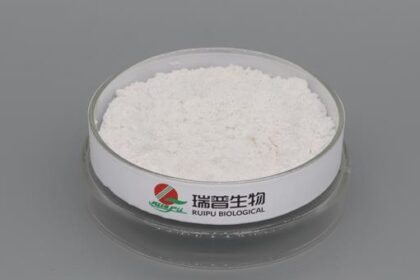
To overcome these persistent formulation hurdles, the industry has increasingly turned to alternative, more stable iron sources, with Ferric Sodium Edetate emerging as a highly effective and reliable option. Unlike the highly reactive ferrous sulfate, Ferric Sodium Edetate is a chelated iron compound where the central iron ion is tightly bound to an EDTA molecule. This unique chemical structure effectively shields the iron from interacting with other reactive components in the food matrix. In practical terms, this means it does not promote lipid oxidation or degrade sensitive vitamins during thermal processing and long-term storage. Additionally, it boasts superior bioavailability, particularly in plant-based diets that are naturally high in phytates, because the chelate remains intact through the upper digestive tract until it reaches the primary absorption sites. For formulators, this exceptional chemical stability translates directly into a more predictable manufacturing process and a significantly reduced risk of batch failures.
| Feature | Ferric Sodium Edetate | Ferrous Sulfate | Best Application |
|---|---|---|---|
| Chemical Stability | High (Chelated) | Low (Highly Reactive) | Sensitive liquids vs Dry solids |
| Sensory Impact | Minimal metallic taste | Strong metallic aftertaste | Clear beverages vs Tablets |
| Oxidation Risk | Prevents lipid oxidation | Promotes lipid oxidation | Vitamin C drinks vs Capsules |
| Bioavailability | High (overcomes phytates) | Moderate (inhibited by phytates) | Plant-based diets vs Standard diets |
The practical application value of these two ingredients varies significantly depending on the specific product format and matrix composition. Let us examine a real-world scenario involving beverage ingredients. If a company is formulating a clear, vitamin C-fortified apple juice, using ferrous sulfate would almost certainly result in rapid enzymatic browning and the destruction of the added ascorbic acid. By utilizing Ferric Sodium Edetate, the formulator can maintain the bright, clear appearance of the juice and preserve the vitamin C content throughout the product's intended shelf life. Conversely, consider the selection of health supplement raw materials for dry solid dosage forms like compressed tablets or hard gelatin capsules. In these low-moisture environments where liquid-phase oxidation reactions are minimal, ferrous sulfate might still be a highly viable and cost-efficient choice. Therefore, developing tailored application solutions requires a deep, systematic understanding of the product's physical state, pH level, and accompanying ingredients. Manufacturers must carefully evaluate whether the premium cost of a chelated iron is justified by the profound sensory and stability benefits it brings to a specific liquid, emulsion, or semi-liquid matrix.
Ultimately, the decision between Ferric Sodium Edetate and ferrous sulfate is not about finding a universally superior ingredient, but rather about strategically matching the right chemical tool to a specific formulation challenge. While ferrous sulfate remains a valuable staple for simple, dry applications, Ferric Sodium Edetate provides an indispensable advantage for complex, liquid, or highly sensitive food and beverage systems. By carefully evaluating the physical and chemical demands of your unique product, you can select the optimal iron source that ensures both nutritional integrity and an exceptional consumer experience. Partnering with experienced raw material suppliers who deeply understand these intricate matrix interactions will further empower your brand to deliver safe, stable, and highly acceptable fortified products to a discerning global market.
Frequently Asked Questions
Why is choosing the right iron source so important for my beverage formulation?
Selecting the proper iron source directly impacts the taste, color, and overall stability of your final product. If you pick a highly reactive option for a sensitive liquid matrix, you might end up with unwanted metallic flavors or rapid nutrient degradation.
On the flip side, making the right choice ensures that your functional ingredients remain intact throughout the shelf life. This means your consumers get the exact nutritional profile promised on the label without experiencing any unpleasant sensory defects.
What are the main differences between Ferric Sodium Edetate and traditional iron sulfate?
Traditional iron sulfate is highly reactive and can easily cause oxidation issues, which often leads to rancidity or the destruction of sensitive vitamins like vitamin C in liquid environments. It is also known for imparting a strong metallic aftertaste that many consumers find off-putting.
Ferric Sodium Edetate, however, is a chelated compound where the iron is tightly bound and shielded from interacting with other matrix components. This unique structure provides superior chemical stability, prevents lipid oxidation, and generally offers better bioavailability in diets high in phytates.
Can I just use ferrous sulfate for all my dietary supplements to save money?
While ferrous sulfate is indeed more cost-effective and works perfectly fine in dry, low-moisture environments like hard gelatin capsules or compressed tablets, it is not a universal solution. Using it in complex liquid emulsions or clear fruit juices will almost certainly trigger severe browning reactions and flavor deterioration.
You really need to evaluate the physical state, pH level, and specific ingredients of your unique product before making a final decision. Spending a bit more on a chelated iron source is often completely justified when formulating sensitive beverages where sensory quality and stability are absolutely critical.