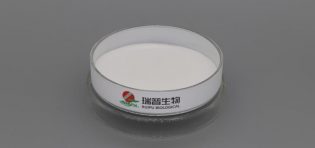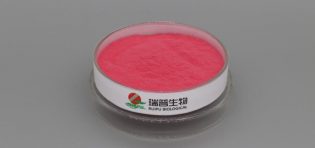
The global market for fortified foods and dietary supplements continues to expand rapidly, driven by growing consumer awareness of nutritional gaps and a proactive approach to daily wellness. Among the various functional ingredients available for iron fortification, Ferric Pyrophosphate has emerged as a highly favored option for B2B formulators and product developers. Unlike traditional iron salts such as ferrous sulfate, it offers excellent relative bioavailability while significantly minimizing the metallic aftertaste and oxidative degradation that often plague fortified products. As manufacturers strive to develop cleaner labels and more palatable products, understanding the unique physicochemical nuances of this specific compound is critical for successful, large-scale product development.
However, integrating this compound into complex food and beverage matrices is not without its distinct technical hurdles. When formulating liquid products, R&D teams frequently encounter physical issues such as sedimentation and phase separation. Because this iron source is largely insoluble in water, it tends to settle at the bottom of the bottle over time, which can severely compromise the visual appeal and dosing accuracy of the final beverage. Furthermore, when used alongside other reactive beverage ingredients, there is a risk of unwanted color shifts or lipid oxidation, particularly in sensitive matrices like dairy-based drinks or plant-based milk alternatives. In the realm of solid dosages, inconsistent powder flowability and poor blending uniformity can lead to content uniformity failures during the high-speed manufacturing of tablets or capsules. These practical challenges highlight the critical gap between simply selecting an iron source on paper and successfully executing a stable, market-ready formulation on the production line.
To effectively address these formulation challenges, manufacturers must adopt a highly strategic approach to ingredient selection, processing, and matrix design. The primary technical solution lies in utilizing micronized or lipid-encapsulated variants of the compound. Micronization reduces the particle size to a few micrometers, which significantly improves suspension stability in liquids and enhances blending uniformity in dry mixes. For liquid applications, carefully adjusting the pH and incorporating appropriate hydrocolloid systems can create a weak gel network that prevents sedimentation, ensuring that the nutrient raw materials remain evenly distributed throughout the expected shelf life of the product. In dry powder blends, selecting the right excipients and utilizing geometric dilution techniques during the mixing phase further ensures that the active iron is homogeneously distributed. Additionally, partnering with experienced suppliers who provide tailored application solutions is crucial for navigating these complexities. For instance, when developing a plant-based protein shake, technical experts can recommend specific emulsification techniques and compatible functional ingredients that protect the iron from interacting with sensitive proteins and polyphenols, thereby preserving both the nutritional integrity and the pristine sensory profile of the drink.
| Iron Source | Relative Bioavailability | Sensory Impact | Oxidative Stability | Ideal Application Matrix |
|---|---|---|---|---|
| Ferric Pyrophosphate | High | Minimal metallic taste, no color change | Excellent | Liquid beverages, dairy, sensitive matrices |
| Ferrous Sulfate | High | Strong metallic taste, causes darkening | Poor | Dry cereals, flour, non-sensitive foods |
| Ferrous Fumarate | Moderate to High | Slight metallic taste, some color shift | Moderate | Tablets, capsules, dry powder blends |
| Sodium Iron EDTA | High | Minimal taste, prevents color changes | Good | Soy sauce, fish sauce, high-phytate foods |
Implementing these advanced technical strategies delivers substantial, measurable value across diverse product categories. For the beverage sector, utilizing optimized beverage ingredients ensures that consumers enjoy a remarkably smooth, visually appealing drink without any gritty texture or metallic off-notes, which is a critical factor for driving repeat purchases and brand loyalty. In the dietary supplement space, sourcing high-quality health supplement raw materials supports precise dosing, reliable stability, and consistent disintegration, meeting stringent regulatory standards for label claims and consumer safety. By overcoming the inherent physical limitations of the iron source through advanced processing and formulation science, brands can confidently launch innovative, highly differentiated products. This proactive approach not only enhances the overall nutritional profile but also significantly strengthens the brand's reputation for quality, efficacy, and reliability in a highly competitive global marketplace.
In summary, while this specific iron compound offers remarkable advantages for modern fortification, its successful commercial application requires careful technical consideration, rigorous testing, and precise formulation strategies. By deeply understanding the potential physical and chemical interactions within your specific product matrix, and by leveraging expert application solutions from trusted partners, you can seamlessly transform complex formulation challenges into distinct competitive advantages. Ultimately, the right partnership and technical foresight empower formulators to deliver superior nutritional products that meet both industry standards and consumer demands. As the nutritional industry continues to evolve, staying informed about the best practices for handling and optimizing these specialized nutrient raw materials will remain a fundamental cornerstone of successful product innovation, regulatory compliance, and long-term market success.
Frequently Asked Questions
Why do formulators prefer Ferric Pyrophosphate over other iron salts?
Formulators often choose this specific iron source because it provides a much smoother sensory experience compared to traditional options like ferrous sulfate.
It significantly reduces the metallic aftertaste and prevents unwanted color changes, making it an ideal choice for clear beverages and delicate food matrices.
What are the main challenges when adding this ingredient to liquid beverages?
The biggest hurdle you will face in liquid applications is sedimentation since this compound is largely insoluble in water.
To prevent the iron from settling at the bottom of the bottle, you need to carefully adjust the pH and use appropriate hydrocolloid systems to keep the particles evenly suspended throughout the shelf life.
How can manufacturers ensure uniform blending in dry powder supplements?
Achieving consistent content uniformity in dry mixes requires using micronized versions of the ingredient, typically reducing particle sizes to between 2 and 5 micrometers to improve powder flowability.
You should also employ geometric dilution techniques during the mixing process to guarantee that the active iron is distributed perfectly across every single serving.