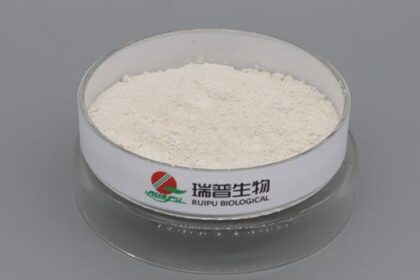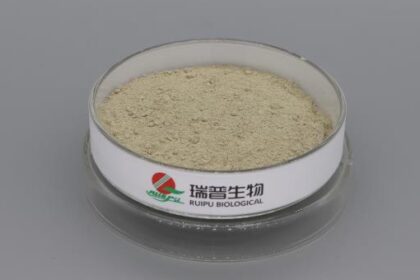
In the rapidly evolving landscape of the food and beverage industry, consumer demand for nutritionally enhanced products continues to drive innovation. Product developers and R&D chefs are constantly searching for high-quality nutrient raw materials to meet these health-conscious trends. Iron fortification, in particular, remains a critical focus due to widespread dietary deficiencies globally. However, integrating essential minerals into complex food matrices is far from simple. When a lead formulation chef recently asked for an iron source that would not compromise the delicate flavor profile of a new product line, the search for a highly suitable functional ingredient began. The modern market requires components that deliver nutritional value while maintaining the pristine sensory qualities that consumers expect from premium foods and drinks.
The primary challenge with traditional iron fortification lies in the high reactivity of common iron salts. Ingredients like ferrous sulfate are highly soluble and bioavailable, but they are notorious for causing severe sensory degradation. In beverage formulations, these reactive iron sources often catalyze the oxidation of lipids and vitamins, leading to off-flavors, rancidity, and an unpleasant metallic aftertaste. Furthermore, they can trigger undesirable color changes, turning a beautifully crafted clear beverage into a murky, unappealing liquid. For R&D teams working with sensitive matrices like dairy alternatives, fruit juices, or delicate bakery items, this reactivity is a major roadblock. It severely limits the versatility of beverage ingredients and forces formulators to use heavy masking agents, which in turn complicates the clean-label trend that dominates today's health supplement raw materials market.
This is where Ferric Phosphate steps into the spotlight, offering a remarkably elegant solution to the reactivity problem. As a highly stable functional ingredient, Ferric Phosphate possesses a unique chemical structure that renders it largely insoluble in water and mildly acidic environments. Because it does not readily dissociate into free iron ions during processing and storage, it remains inert within the food matrix. This inertness is exactly what the formulation chef was looking for. It means the iron will not interact with flavor compounds, will not oxidize sensitive vitamins, and will not cause the dreaded metallic taste. For nutrient manufacturers, providing this specific compound allows B2B clients to bypass the sensory hurdles of fortification. It serves as an exceptional choice for both food and health supplement raw materials, ensuring that the final product tastes exactly as the chef intended, without any compromise on nutritional integrity.
| Iron Source | Solubility | Sensory Impact | Matrix Stability | Ideal Application |
|---|---|---|---|---|
| Ferrous Sulfate | High | Metallic taste, color shifts | Low | Tablets, capsules |
| Ferrous Gluconate | High | Slight metallic aftertaste | Moderate | Liquid supplements |
| Ferric Pyrophosphate | Low | Neutral taste, minimal color impact | High | Plant-based milks, clear beverages |
| Ferric Phosphate | Very Low | Completely inert, no off-flavors | Very High | Bakery, cereals, sensitive foods |
The practical application value of Ferric Phosphate becomes evident when examining specific industry scenarios. Consider the development of a fortified plant-based oat milk. Plant-based beverages are highly sensitive to mineral-induced protein coagulation and flavor shifts. By utilizing Ferric Phosphate as a core beverage ingredient, manufacturers can achieve a smooth, stable emulsion with no chalky mouthfeel or metallic tang, preserving the natural, mild taste of the oats. Another excellent scenario is in extruded cereals and bakery products, where high temperatures typically degrade sensitive nutrients. Ferric Phosphate exhibits outstanding thermal stability, retaining its structural integrity and nutritional profile even after rigorous baking or extrusion processes. For instance, micronized Ferric Phosphate can be suspended in liquid beverages without settling at the bottom of the carton, a common issue with larger particle sizes. To maximize these benefits, leading nutrient manufacturers offer tailored application solutions, helping clients determine the optimal particle size and dispersion methods for their specific production lines. This collaborative approach ensures seamless integration into existing manufacturing processes, whether the end goal is a functional sports drink or a daily nutritional supplement.
In conclusion, the quest for a highly effective fortification agent often feels like a complex culinary puzzle, but Ferric Phosphate has proven to be a standout piece. By effectively neutralizing the sensory and chemical challenges associated with iron supplementation, it empowers food scientists and chefs to create superior products. Ultimately, the dialogue between culinary creativity and nutritional science is bridged by such reliable ingredients. When formulators no longer have to choose between health benefits and sensory excellence, the entire industry moves forward. As the market continues to prioritize clean labels and exceptional taste alongside nutritional density, the reliance on stable, high-quality nutrient raw materials will only grow. Manufacturers who leverage these advanced application solutions will be well-positioned to lead the market, delivering innovative beverages and supplements that truly resonate with modern consumers.
Frequently Asked Questions
Why is iron fortification so tricky for food and beverage developers?
Iron is an essential mineral that many people lack in their daily diets, making it a top priority for product developers. However, traditional iron salts like ferrous sulfate are highly reactive and can easily ruin a carefully crafted recipe.

When these reactive iron sources interact with other ingredients, they often cause unpleasant metallic aftertastes, trigger color changes, or even oxidize sensitive vitamins. This forces research and development chefs to use heavy masking agents, which complicates the formulation and goes against the clean-label trend.
How does Ferric Phosphate solve the sensory issues associated with iron?
Ferric Phosphate is uniquely structured to be largely insoluble in water and mildly acidic environments, which keeps it incredibly stable during processing. Because it does not readily break down into free iron ions, it remains completely inert within your food or beverage matrix.
This inertness means it will not interact with your delicate flavor compounds or cause the dreaded metallic tang that consumers dislike. It allows chefs to fortify products like plant-based milks or fruit juices while preserving the exact taste and visual appeal they originally intended.
What types of products benefit the most from using Ferric Phosphate?
This ingredient is exceptionally versatile and shines in products that are highly sensitive to mineral-induced changes, such as dairy alternatives, clear beverages, and extruded cereals. For instance, in plant-based oat milks, it prevents protein coagulation and maintains a smooth, creamy texture without any chalky mouthfeel.
It also boasts outstanding thermal stability, making it perfect for bakery items and snacks that undergo high-temperature baking or extrusion. Manufacturers can typically use particle sizes ranging from 5 to 20 microns to ensure perfect suspension in liquid beverages without settling at the bottom of the carton.
How can manufacturers integrate Ferric Phosphate into their existing production lines?
Integrating this stable iron source is generally straightforward, but it requires a tailored approach depending on your specific matrix and processing equipment. Leading nutrient manufacturers usually provide customized application solutions to help you determine the optimal particle size and dispersion methods for your unique setup.
By collaborating closely with raw material suppliers, formulators can fine-tune the mixing times and temperatures to ensure seamless integration. This proactive strategy guarantees that the final product meets all nutritional targets while maintaining the high sensory standards that modern consumers expect.