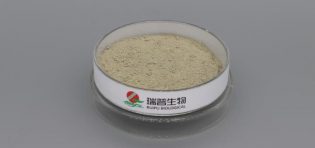
The global market for fortified foods and dietary supplements continues to expand, driving a significant demand for high-quality nutrient raw materials across the industry. Among these, iron fortification remains a critical focus for product developers aiming to support general wellness and meet daily dietary requirements. Ferrous Gluconate has emerged as a highly favored functional ingredient due to its excellent bioavailability and relatively mild sensory profile compared to other traditional iron salts. However, when formulating complex matrices, B2B manufacturers often encounter technical hurdles. Iron ions can catalyze lipid oxidation, lead to undesirable color shifts, or introduce a metallic off-taste, especially in liquid applications. Overcoming these formulation challenges requires a deep understanding of ingredient interactions and precise processing techniques to ensure product stability and consumer satisfaction.
The first essential strategy involves meticulous pH control and the strategic use of chelating agents to maintain ingredient stability. Iron solubility and reactivity are heavily dependent on the pH level of the final product. In highly acidic environments, free iron ions are more likely to participate in oxidation reactions, which can degrade sensitive beverage ingredients and alter the product's visual appeal. To prevent this, formulators should maintain the pH within an optimal range and incorporate safe, food-grade chelators like sodium citrate. For example, when developing a clear, fruit-flavored sports drink, a manufacturer might notice a cloudy precipitate or a darkened hue after adding the iron source. By adjusting the pH to around 3.5 and introducing a precise ratio of a chelating agent during the pilot scale, the iron remains stable in the solution, preserving the beverage's vibrant appearance and extending its shelf life without compromising the nutritional profile.
The second tip focuses on advanced sensory masking and microencapsulation to completely eliminate the metallic aftertaste. Even though Ferrous Gluconate is milder than ferrous sulfate, sensitive consumers can still detect its presence in high-protein or dairy-based supplement raw materials. To address this, product developers can utilize encapsulation technologies that coat the iron particles with a lipid or carbohydrate matrix. This physical barrier prevents the iron from interacting with taste receptors until it reaches the digestive tract. Consider a scenario where a nutrition company is formulating a ready-to-drink protein shake for active adults. Direct addition of the iron powder results in a noticeable metallic tang that clashes with the delicate vanilla flavor profile. By switching to a microencapsulated version of the ingredient and optimizing the homogenization pressure during production, the final product achieves a smooth, creamy mouthfeel and a clean taste, significantly boosting consumer acceptance.
| Optimization Strategy | Target Issue | Recommended Solution | Application Example |
|---|---|---|---|
| pH Control and Chelation | Oxidation and color shifts | Maintain optimal pH and add food-grade chelators | Clear fruit-flavored sports drinks |
| Microencapsulation | Metallic aftertaste | Coat iron particles with a protective matrix | Ready-to-drink protein shakes |
| Synergistic Blending | Nutrient degradation | Combine with ascorbic acid for stability | Daily wellness liquid shots |
The third crucial approach is leveraging synergistic blending, particularly by pairing the iron source with ascorbic acid or other organic acids. Vitamin C not only enhances the intestinal absorption of non-heme iron but also acts as a powerful antioxidant that protects the functional ingredient from premature oxidation during processing and storage. When designing application solutions for liquid nutritional shots or gummy vitamins, incorporating a calculated excess of ascorbic acid ensures that the iron remains in its more soluble and bioavailable state. For instance, a health brand creating a daily wellness liquid shot might find that the iron content degrades over a six-month shelf life. By reformulating to include a synergistic blend of Ferrous Gluconate and a stabilized form of Vitamin C, the manufacturer successfully maintains the labeled nutrient claim throughout the product's lifespan while simultaneously offering an added nutritional benefit to the end consumer.
Implementing these three technical strategies provides immense application value for brands operating in the highly competitive nutrition sector. By mastering pH management, sensory masking, and synergistic blending, manufacturers can transform a potentially problematic mineral into a seamless addition to their product lines. This ensures that the final goods meet rigorous quality standards while delivering the intended nutritional benefits effectively. As the demand for sophisticated, great-tasting health products grows, partnering with experienced suppliers who provide comprehensive technical support and high-quality raw materials becomes indispensable. Ultimately, optimizing the use of Ferrous Gluconate empowers beverage and supplement brands to innovate confidently, delivering superior products that resonate with health-conscious consumers and drive long-term market success.
Frequently Asked Questions
Why is Ferrous Gluconate preferred over other iron sources in beverages?
Ferrous Gluconate is often chosen because it offers excellent bioavailability and a much milder taste compared to traditional salts like ferrous sulfate. This makes it incredibly useful for liquid applications where a metallic aftertaste could easily ruin the consumer experience.
Additionally, it tends to cause fewer gastrointestinal side effects, which is a major selling point for dietary supplement brands looking to improve customer satisfaction and retention.
How can I prevent color changes when adding this iron source to my drink formulation?
Color shifts usually happen when free iron ions interact with other compounds or undergo oxidation in the liquid matrix. You can easily prevent this by carefully controlling the pH level of your beverage and keeping it within a stable range.
Incorporating food-grade chelating agents or antioxidants like ascorbic acid also helps lock the iron in a stable state, ensuring your drink maintains its vibrant and appealing appearance throughout its entire shelf life.
What is the best way to mask any remaining metallic taste in protein shakes?
The most effective approach for complex matrices like dairy or plant-based protein shakes is to use microencapsulated Ferrous Gluconate. This technology coats the iron particles with a protective lipid or carbohydrate layer that prevents them from touching the taste buds.
You can also rely on strong natural flavor profiles and sweeteners to further distract the palate, ensuring the final product tastes smooth and delicious without any harsh mineral notes.
Does adding Vitamin C really make a difference in iron-fortified products?
Yes, pairing your iron source with ascorbic acid creates a powerful synergistic effect that significantly boosts the overall absorption rate in the human body. This combination is highly recommended for functional beverages and daily wellness shots.
Beyond just improving bioavailability, Vitamin C acts as a robust antioxidant that protects the iron from degrading during processing and storage, helping you maintain accurate nutritional label claims from day one until the expiration date.