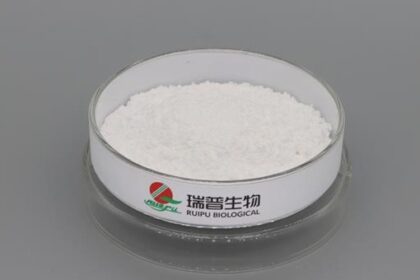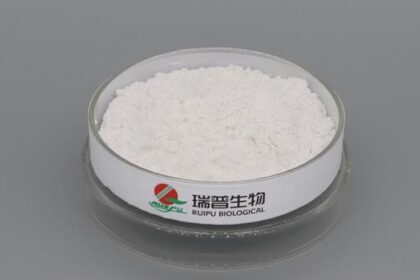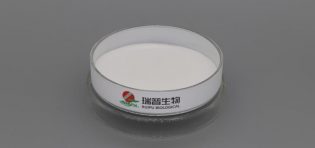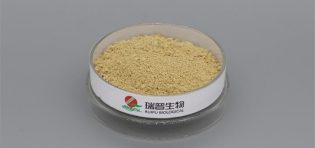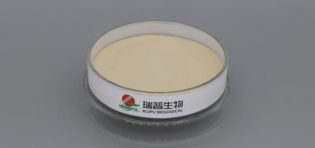
Let us start with Zinc Gluconate, a highly popular choice that is created by combining zinc with gluconic acid, which naturally occurs in various fruits and plants. The primary reason formulators love this version is its exceptional solubility and relatively neutral taste profile, making it an absolute star for liquid applications and oral care products. For instance, if you are developing a fast-acting throat lozenge or a clear functional beverage, Zinc Gluconate dissolves beautifully without leaving a harsh, metallic aftertaste that could ruin the consumer experience. Furthermore, it has a proven track record in clinical settings for supporting immune function when taken at the first sign of a seasonal chill, which gives your marketing team a solid, science-backed narrative to share with health-conscious buyers.
On the other side of the spectrum, we have zinc citrate, which is formed by binding zinc with citric acid, a compound naturally found in citrus fruits. This form is highly regarded for its impressive bioavailability, meaning the body can absorb and utilize it very efficiently, often matching or even slightly exceeding the absorption rates of other common zinc salts. From a manufacturing perspective, zinc citrate is incredibly cost-effective and stable, making it the go-to choice for dry formats like capsules, tablets, and powdered drink mixes. Imagine you are creating a daily multivitamin capsule or a fortified protein powder; zinc citrate provides a high concentration of elemental zinc per milligram without taking up too much physical space in the capsule shell, allowing you to pack more active ingredients into a single serving.
So, how do you actually choose between the two when both offer such fantastic benefits for your nutrient raw materials lineup? The decision ultimately comes down to your specific delivery format and your target demographic's sensory expectations. If your goal is to create a refreshing, ready-to-drink beverage or a gummy supplement where taste masking is a major hurdle, Zinc Gluconate is usually the superior choice because it plays nicely with natural fruit flavors and sweeteners. Conversely, if you are formulating a high-potency dietary supplement where maximizing elemental zinc content and keeping production costs manageable are your top priorities, zinc citrate is the undisputed champion. Many successful brands actually use a combination of both, utilizing citrate for the core daily nutritional baseline in a tablet, while incorporating gluconate into a companion liquid shot for rapid absorption.
| Comparison Feature | Zinc Gluconate | Zinc Citrate |
|---|---|---|
| Organic Acid Binder | Gluconic Acid | Citric Acid |
| Solubility in Water | Exceptional | Moderate to Good |
| Taste Profile | Neutral with minimal metallic aftertaste | Slightly tart with standard mineral taste |
| Optimal Product Formats | Liquids, lozenges, and oral care | Capsules, tablets, and dry powders |
| Elemental Zinc Density | Lower concentration per milligram | Higher concentration per milligram |
In the ever-evolving landscape of functional ingredients, there is no single perfect answer, but rather the right tool for the specific job at hand. Both Zinc Gluconate and zinc citrate offer reliable, high-quality nutritional benefits that modern consumers actively seek out in their daily routines. By carefully evaluating your product matrix, your flavor profile requirements, and your overall manufacturing budget, you can confidently select the zinc source that aligns perfectly with your brand vision. Whether you lean toward the liquid-friendly versatility of gluconate or the high-potency efficiency of citrate, you are equipping your customers with the essential functional components they need to thrive.
Frequently Asked Questions
What makes Zinc Gluconate a better choice for liquid beverages compared to other forms?
Zinc Gluconate is highly favored for liquid applications because it offers exceptional solubility and a relatively neutral taste profile. When you are formulating a clear functional drink or a fast-acting throat lozenge, this specific form dissolves beautifully without leaving behind a harsh metallic aftertaste that could ruin the overall flavor experience for the consumer.

This means beverage developers can use lower amounts of artificial sweeteners or heavy flavor masking agents, keeping the ingredient list clean and appealing to health-conscious buyers.
How does the absorption rate of Zinc Gluconate compare to zinc citrate in daily supplements?
Both Zinc Gluconate and zinc citrate are highly bioavailable, meaning your body can absorb and utilize them very efficiently compared to older forms like zinc oxide. While zinc citrate might have a slight edge in total elemental zinc concentration per milligram, Zinc Gluconate provides excellent absorption rates that are well-documented in clinical studies, especially for immune support.
Ultimately, the difference in absorption between the two is minimal for the average person, so the choice usually comes down to the specific delivery format and taste requirements of your final product rather than a massive gap in nutritional efficacy.
Can I use Zinc Gluconate in dry formats like capsules or powdered drink mixes?
You certainly can use Zinc Gluconate in dry formats, but it is generally less common than zinc citrate for these specific applications due to physical space and cost considerations. Zinc Gluconate contains a lower percentage of elemental zinc by weight, which means you need a larger physical amount of the raw powder to achieve the same nutritional dosage found in a smaller amount of zinc citrate.
If you are formulating a capsule where space is strictly limited, zinc citrate is usually the more practical option. However, if you are creating a powdered drink mix where taste and rapid dissolution in water are your top priorities, Zinc Gluconate remains a fantastic and highly effective choice.