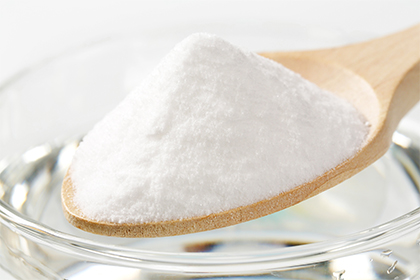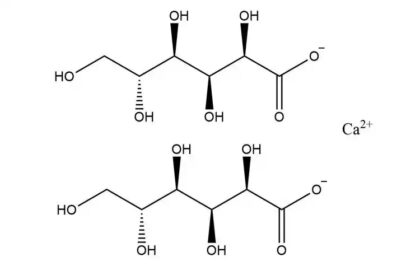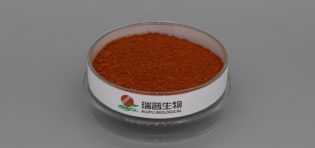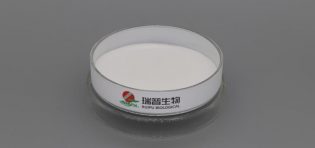
The global market for fortified foods and dietary supplements is continuously evolving, with consumers increasingly seeking products that support their daily wellness routines through convenient formats. Among the various nutrient raw materials available to formulators, zinc remains a highly sought-after mineral for general wellness products. Zinc Citrate, in particular, has become a preferred choice for many development teams due to its favorable bioavailability and relatively neutral taste profile compared to traditional inorganic salts. As manufacturers look to innovate, incorporating this mineral into complex matrices like functional beverages, liquid shots, and gummy supplements has become a major industry focus. However, working with these functional ingredients requires a deep understanding of their chemical behavior to ensure product consistency, stability, and overall consumer satisfaction.
Despite its distinct advantages, formulators frequently encounter significant technical hurdles when integrating Zinc Citrate into liquid and high-moisture applications. When used as a primary component in beverage ingredients, it can sometimes lead to unwanted precipitation, phase separation, or a slight metallic aftertaste if the pH levels fluctuate during storage and distribution. In the production of health supplement raw materials, such as chewable tablets or high-moisture gummies, improper dispersion can result in localized concentrations that degrade the sensory experience and create an uneven texture. Many development teams simply increase the amount of masking agents, heavy syrups, or synthetic stabilizers to hide these issues, which ultimately complicates the ingredient deck and increases overall production costs. The core issue lies in the fact that standard mixing protocols often fail to account for the specific hydration kinetics and ionic interactions of zinc ions in complex aqueous environments.
This brings us to a highly effective formulation technique that remains surprisingly underutilized across the broader manufacturing industry. The secret lies in a controlled pre-hydration and pH-buffering protocol that must be executed before the main blending phase begins. Instead of adding the dry powder directly into the main mixing vat, the trick involves creating a localized slurry using a precise ratio of food-grade citric acid and a mild buffering salt, such as sodium citrate, in warm water heated to exactly forty degrees Celsius. By allowing the Zinc Citrate to fully hydrate and equilibrate in this buffered micro-environment for a minimum of twenty minutes, the zinc ions become thoroughly stabilized and shielded. When this pre-mixed slurry is subsequently introduced to the main batch, it integrates seamlessly without causing sudden pH shocks or interacting negatively with sensitive vitamins and delicate botanical extracts. For example, a beverage manufacturer developing a clear, citrus-flavored functional drink found that applying this specific pre-hydration method completely eliminated the cloudy precipitation that previously occurred after three months of shelf life, resulting in a perfectly clear and physically stable product.
| Formulation Parameter | Standard Direct Mixing | Pre-hydration Buffering Trick | Impact on Final Product |
|---|---|---|---|
| Hydration Method | Dry powder added directly | Slurry in 40°C buffered water | Ensures complete dissolution |
| Equilibration Time | None (immediate blending) | Minimum 20 minutes | Stabilizes zinc ions fully |
| pH Stability | Prone to sudden fluctuations | Maintained via citrate buffer | Prevents phase separation |
| Taste Profile | Noticeable metallic aftertaste | Clean and neutral sensory | Reduces masking agents |
| Visual Clarity | Cloudiness over shelf life | Perfectly clear liquid | Enhances beverage aesthetics |
| Label Complexity | Requires synthetic stabilizers | Simple ingredient list | Appeals to modern consumers |
Implementing this specialized application solution offers substantial, measurable benefits for B2B clients across the food, beverage, and supplement sectors. First, it dramatically enhances the physical stability of the final product, ensuring that the mineral remains evenly suspended or fully dissolved throughout its intended shelf life without requiring excessive synthetic emulsifiers. Second, it significantly improves the sensory profile by preventing the premature release of free zinc ions that typically cause astringency or metallic off-notes, thereby reducing the need for excessive artificial flavorings or high-calorie sweeteners. A health supplement brand formulating a daily wellness gummy utilized this exact technique and reported a much smoother texture alongside a remarkably cleaner taste, which directly translated to higher consumer repeat purchase rates. Furthermore, this method allows for cleaner product labels, aligning perfectly with the modern consumer demand for transparent, simple, and recognizable ingredient lists.
In the highly competitive landscape of nutritional manufacturing, the difference between a good product and an exceptional one often comes down to mastering the subtle nuances of ingredient interactions and processing parameters. By adopting this advanced pre-hydration and buffering technique for Zinc Citrate, manufacturers can overcome traditional formulation barriers and deliver superior, highly stable products to the market. As a dedicated provider of high-quality nutritional components, we are committed to sharing these technical insights and supporting our partners with tailored application solutions designed for modern manufacturing challenges. We invite product developers, food scientists, and brand owners to explore how these refined methodologies can elevate their next generation of fortified foods and beverages, ensuring both optimal physical stability and an outstanding consumer experience from the first sip to the last.
Frequently Asked Questions (FAQ)
Why do formulators prefer Zinc Citrate over other zinc sources for beverages and gummies?
Formulators usually choose this specific ingredient because it offers much better bioavailability and a significantly milder taste compared to traditional inorganic salts like zinc sulfate.

This makes it incredibly useful for creating clear functional drinks or chewable supplements where a strong metallic aftertaste would otherwise ruin the consumer experience.
What is the main challenge when adding dry Zinc Citrate directly into large mixing vats?
When you just dump the dry powder into a massive batch of liquid, it often fails to hydrate properly and can cause unwanted precipitation or phase separation over time.
This uneven dispersion also leads to localized concentrations that might degrade the texture of gummies or create a cloudy appearance in clear beverages after a few months on the shelf.
How does the pre-hydration and buffering trick actually work in a production environment?
The process involves creating a small, localized slurry using warm water heated to around forty degrees Celsius along with a precise ratio of food-grade citric acid and a mild buffering salt.
You let the mineral fully hydrate and equilibrate in this micro-environment for about twenty minutes before introducing it to the main batch, which completely prevents sudden pH shocks and ensures a perfectly stable final product.
Can this specific hydration method help clean up the ingredient label for health supplements?
Yes, it absolutely helps brands achieve a much cleaner label because the mineral is fully stabilized before it even enters the main mixing process.
Since the zinc ions are properly shielded and integrated, manufacturers can drastically reduce their reliance on heavy synthetic emulsifiers, artificial masking agents, or excessive sweeteners that are normally used to hide texture and taste flaws.