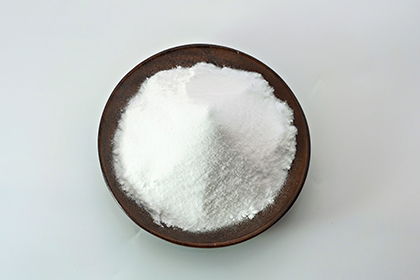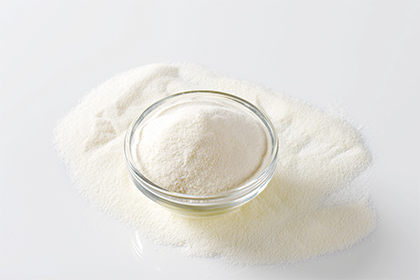
The modern food and beverage sector is witnessing a steady rise in consumer demand for fortified products, driving manufacturers to seek reliable nutrient raw materials. Among the various options available, Calcium Lactate has emerged as a highly favored choice for product developers across the globe. It offers a balanced nutritional profile, providing a gentle calcium source that is generally well-tolerated by a wide demographic of consumers. As brands continually strive to create innovative functional foods and daily wellness drinks, understanding how to properly integrate this specific mineral salt into complex formulations has become a critical skill for research and development teams aiming to stay ahead of market trends.
However, incorporating calcium into liquid and semi-liquid matrices is rarely a straightforward process. Formulators frequently encounter technical hurdles such as unwanted precipitation, phase separation, or subtle shifts in the sensory profile of the final product. When Calcium Lactate interacts with other functional ingredients, especially in acidic environments, high-protein systems, or fiber-rich blends, it can lead to stability issues that compromise the shelf life and visual appeal of the product. Overcoming these formulation roadblocks requires a strategic, science-backed approach rather than simply adding the powder into a mixing vat and hoping for a favorable outcome.
The first essential tip is to optimize your hydration and dispersion techniques to ensure complete and uniform solubility. Calcium Lactate possesses a moderate solubility profile compared to some highly soluble synthetic salts, meaning it requires adequate shear force and precise temperature control to dissolve fully without leaving a gritty residue. In a practical scenario, when developing a calcium-fortified clear sports drink, manufacturers should pre-disperse the calcium salt in warm water under high-shear mixing before introducing it to the main batching tank. This proactive step prevents localized high concentrations that could otherwise react prematurely with other sensitive beverage ingredients, ensuring a smooth, visually clear final liquid that meets consumer expectations for premium hydration products.
The second tip involves carefully managing the pH and buffer systems within your specific formulation matrix. Calcium salts are inherently sensitive to acidic environments and fluctuating pH levels, which can trigger unwanted precipitation or alter the physical stability of the emulsion. If you are formulating a fortified fruit juice blend or a tangy functional wellness shot, it is highly important to utilize appropriate buffering agents to maintain a stable pH range throughout the product lifecycle. For instance, pairing Calcium Lactate with a mild citrate buffer can stabilize the aqueous system, preventing the calcium from dropping out of the solution over time. Developing robust application solutions that account for these complex chemical interactions ensures that the product remains visually stable and nutritionally consistent from the factory floor to the retail shelf.
| Formulation Tip | Common Challenge | Recommended Solution | Ideal Application |
|---|---|---|---|
| Hydration and Dispersion | Gritty residue or incomplete solubility | Pre-disperse in warm water with high-shear mixing | Clear sports drinks and hydration beverages |
| pH and Buffer Management | Precipitation in acidic environments | Use mild buffering agents to maintain stable pH | Fortified fruit juices and tangy wellness shots |
| Sensory and Flavor Balance | Slight mineral or chalky off-notes | Pair with robust flavors and natural masking agents | Liquid nutritional shots and dairy alternatives |
The third tip focuses on balancing the sensory profile through strategic flavor masking and complementary ingredient pairing. While Calcium Lactate is notably milder than some alternative calcium sources, it can still impart a slight mineral or chalky note at higher fortification levels, which might clash with delicate or subtle flavor profiles. When working with specialized supplement raw materials to create liquid nutritional shots, chewable gummies, or fortified dairy alternatives, formulators should collaborate closely with flavor houses to select complementary taste profiles. Citrus, mixed berry, or robust tropical flavors often do an excellent job of masking underlying mineral notes. By carefully adjusting the sweetener system and utilizing natural flavor modifiers, developers can deliver a highly palatable product that encourages repeat consumption without compromising the intended nutritional payload.
Mastering these three formulation strategies brings significant operational and commercial value to the manufacturing process and the final market offering. By ensuring proper dispersion, pH stability, and sensory balance, brands can significantly reduce production downtime caused by batch failures, filtration clogs, or quality control rejections. Furthermore, delivering a stable, great-tasting product builds deep consumer trust and brand loyalty in a highly competitive wellness market. It allows companies to confidently expand their product portfolios, knowing their formulations are backed by sound scientific principles, reliable manufacturing practices, and a deep understanding of ingredient functionality.
In conclusion, successfully utilizing Calcium Lactate in modern food, beverage, and supplement applications goes far beyond basic recipe following or simple ingredient substitution. It demands a nuanced, comprehensive understanding of ingredient interactions, physical chemistry, and sensory science. By focusing on optimized dispersion techniques, precise pH management, and thoughtful flavor pairing, product developers can truly unlock the full potential of this versatile mineral. As the health and wellness industry continues to evolve rapidly, embracing these technical best practices will remain essential for creating high-quality, stable, and consumer-approved fortified products that stand the test of time.

Frequently Asked Questions
Why does my Calcium Lactate mixture sometimes feel gritty or leave residue?
This usually happens when the mineral salt is not fully hydrated during the initial mixing stages. Calcium Lactate has a moderate solubility profile, meaning it needs adequate shear force and the right water temperature to dissolve completely into your liquid matrix.
To fix this, try pre-dispersing the powder in warm water using a high-shear mixer before adding it to your main batching tank. This simple adjustment prevents localized clumping and ensures a smooth, clear final beverage that your customers will actually enjoy drinking.
How can I prevent precipitation when adding this calcium source to acidic fruit juices?
Acidic environments can be quite tricky because fluctuating pH levels often trigger unwanted precipitation or phase separation in your formulation. When the pH drops too low, the calcium can drop out of the solution, creating an unappealing chalky layer at the bottom of the bottle.
You can easily manage this by introducing a mild buffering agent, like a citrate buffer, to stabilize the aqueous system. Keeping the pH within a stable range of 3.5 to 4.5 ensures that the calcium remains fully integrated and visually stable throughout the entire shelf life of your juice blend.
Will fortifying my sports drink with Calcium Lactate ruin the delicate flavor profile?
While this specific ingredient is much milder than other calcium salts, adding high doses can still introduce a slight mineral or earthy note to your beverage. This subtle shift might clash with very light or delicate flavor profiles like white peach or subtle floral blends.
The best workaround is to pair the fortification with robust, complementary flavors such as mixed berry, citrus, or tropical fruit blends. Working closely with your flavor house to adjust the sweetener system and add natural masking agents will completely hide any underlying mineral taste.
Is this specific calcium ingredient suitable for consumers with sensitive stomachs?
Yes, it is widely recognized in the industry for being exceptionally gentle on the digestive system compared to more harsh alternatives like calcium carbonate. Many consumers who experience bloating or discomfort with standard supplements find this lactate form much easier to tolerate on a daily basis.
This high level of gastrointestinal comfort makes it an excellent choice for daily wellness shots, functional dairy alternatives, and specialized nutritional beverages. You can confidently market your finished products to a broader demographic, knowing the formulation supports everyday digestive wellness without causing unwanted side effects.