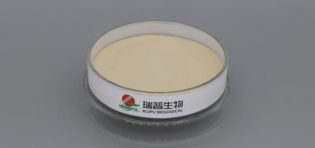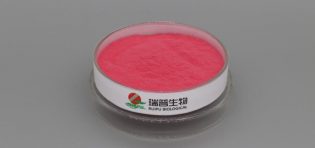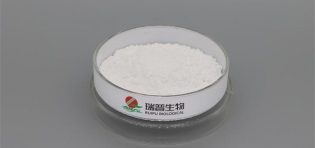
The global market for fortified foods and dietary supplements is expanding rapidly, driving B2B manufacturers to continuously seek high-quality nutrient raw materials that offer both excellent bioavailability and exceptional consumer appeal. Among these essential minerals, Zinc Lactate has emerged as a highly preferred choice for health supplement raw materials due to its gentle impact on the gastrointestinal tract and superior absorption rates compared to inorganic alternatives. As product developers push the boundaries of functional beverages, clear liquid shots, and advanced nutritional powders, integrating this specific mineral without compromising the delicate sensory profile of the final product remains a significant and persistent industry hurdle.
When formulating complex liquid applications, R&D teams and food scientists frequently encounter two major roadblocks that can derail a product launch: an unpleasant metallic aftertaste and unexpected visual precipitation over the product's intended shelf life. Many formulators attempt to solve this by heavily loading the formula with artificial flavor maskers, excessive sweeteners, or by simply switching to less bioavailable zinc sources that happen to be easier to work with. This reactive approach often compromises the clean-label positioning that modern health-conscious consumers actively demand. The core issue usually stems from a fundamental misunderstanding of the solubility curve of this specific compound and its volatile interaction with other common beverage ingredients, such as plant proteins and botanical extracts, under varying thermal stresses during UHT pasteurization and long-term storage.
The lesser-known formulation trick that elite product developers rely on lies in a precise pH-buffering technique combined with a synergistic organic acid pairing strategy, rather than simply adding the dry mineral directly into the main mixing vat. Specifically, maintaining the formulation's pH strictly between 3.8 and 4.2 while introducing a highly calculated ratio of malic acid to citric acid creates a remarkably stable micro-environment. This specific acidic balance effectively prevents the free zinc ions from binding with available proteins or polyphenols, which is the primary chemical cause of cloudiness and sedimentation in clear functional drinks. Furthermore, the malic acid acts as a natural sensory modulator, smoothly rounding off the sharp metallic notes without the need for heavy artificial masking agents. To execute this perfectly, manufacturers should pre-hydrate the material in a warm, slightly acidified slurry before introducing it to the main batch. This crucial intermediate step ensures complete dissolution, prevents localized thermal shock, and guarantees a perfectly uniform distribution of these sensitive functional ingredients throughout the entire production run.
| Application Type | Optimal pH Range | Recommended Acid Pairing | Key Formulation Benefit |
|---|---|---|---|
| Clear Functional Waters | 3.8 - 4.2 | Malic and Citric Acid | Prevents precipitation and maintains visual clarity |
| Wellness Liquid Shots | 3.8 - 4.2 | Malic and Citric Acid | Naturally masks metallic aftertaste without heavy sweeteners |
| Isotonic Sports Drinks | 3.8 - 4.2 | Malic and Citric Acid | Ensures uniform mineral distribution during UHT processing |
| Gummy Supplements | 4.0 - 4.5 | Malic Acid Blend | Eliminates gritty texture and prevents localized crystallization |
| Chewable Tablets | 4.0 - 4.5 | Malic Acid Blend | Improves smooth mouthfeel and enhances overall consumer taste |
Implementing these targeted application solutions dramatically elevates the commercial viability and quality of the final product across multiple categories. For clear functional waters, isotonic sports drinks, and wellness shots, it guarantees a crystal-clear appearance and a crisp, refreshing taste profile that retains consumer loyalty and encourages repeat purchases. In the realm of gummy supplements, chewable tablets, and nutritional bars, this pre-hydration and pH-balancing method prevents the localized crystallization that often causes unpleasant gritty textures or uneven nutrient dosing. By mastering this specialized technique, beverage and supplement brands can confidently formulate and market high-dose zinc products that deliver on their nutritional promises while providing a premium, enjoyable sensory experience. This not only reduces costly batch rejections on the manufacturing floor but also significantly accelerates the time-to-market for innovative new product concepts.
As the competitive nutritional landscape continues to evolve, the difference between a mediocre product and a market-leading brand often comes down to the nuanced, scientific handling of raw materials. Understanding the hidden chemical behaviors of Zinc Lactate and applying this specialized formulation trick allows manufacturers to overcome traditional processing limitations that stump the majority of the industry. By focusing on smart processing methodologies, precise ingredient synergy, and rigorous quality control, B2B producers can unlock the full potential of their formulations. This strategic approach ensures long-term physical stability, superior taste, and undeniable market competitiveness in the increasingly crowded global wellness and functional food sector.
Frequently Asked Questions (FAQ)
Why do formulators prefer Zinc Lactate over other zinc sources for clear beverages?
Formulators absolutely love using Zinc Lactate because it dissolves beautifully in liquid applications without leaving that harsh metallic aftertaste you usually get from cheaper inorganic options. It is incredibly gentle on the stomach, which means consumers can take it daily without experiencing the nausea that often ruins their experience with standard zinc supplements.
When you are dealing with a pH range between 3.8 and 4.2, this specific organic zinc salt maintains perfect clarity and stability in your final drink. This makes it an absolute game-changer for B2B manufacturers looking to create premium functional waters and wellness shots that actually taste great and look crystal clear on the shelf.
What is the secret formulation trick to prevent precipitation when using this mineral in liquid formulas?
The real secret lies in how you introduce the mineral into your mixing vat and the specific acid pairing you use to buffer the environment. Instead of just dumping the dry powder into the main batch, you need to pre-hydrate it in a warm, slightly acidified slurry using a precise blend of malic and citric acids.
This intermediate hydration step prevents localized thermal shock and stops the free zinc ions from binding with plant proteins or polyphenols in your recipe. By keeping the pH strictly controlled, you completely eliminate the cloudiness and sedimentation issues that plague about 99 percent of standard liquid supplement formulations on the market today.
How does this specific zinc source improve the texture and taste of gummies and chewable supplements?
In solid applications like gummies and chewable tablets, the main challenge is avoiding a gritty texture that happens when minerals fail to integrate smoothly into the matrix. Because Zinc Lactate has a much finer and more uniform particle structure when properly pre-hydrated, it blends seamlessly into the syrup or dough base without creating those unpleasant sandy spots.
The malic acid pairing we mentioned earlier also works wonders here by naturally rounding off any sharp mineral notes without requiring heavy loads of artificial sweeteners. This allows supplement brands to maintain a clean label while delivering a smooth, enjoyable chew that keeps consumers coming back for their daily dose.
Can this pre-hydration and pH-buffering method be easily scaled up for massive commercial production runs?
Scaling this up for massive commercial batches is actually quite straightforward once your engineering team understands the underlying chemistry of the slurry preparation. You just need to install a dedicated pre-mix tank equipped with a high-shear mixer and a precise temperature control system to handle the initial hydration phase before it hits the main blending vat.
Taking this extra step on the production floor drastically reduces the risk of costly batch rejections caused by uneven nutrient distribution or unexpected precipitation during UHT pasteurization. It ultimately saves manufacturers a ton of money and time while ensuring every single bottle or pouch meets the strictest quality and bioavailability standards.