Despite its importance, formulators who frequently work with traditional iron salts often encounter a series of frustrating technical and sensory hurdles during product development. When utilizing conventional sources like ferrous sulfate or ferrous gluconate, the free iron ions can easily catalyze the oxidation of sensitive components within the matrix. For example, in a vitamin C-enriched citrus beverage, free iron will rapidly degrade the ascorbic acid and cause the liquid to turn an unappealing brownish color through oxidation and Maillard browning reactions. Furthermore, in the realm of beverage ingredients, these traditional iron sources frequently cause severe color changes, unwanted cloudiness, or a distinct metallic off-taste that consumers find highly unpalatable. In plant-based milks or soy-based protein drinks, free iron can also interact strongly with naturally occurring phytates, polyphenols, and proteins, resulting in undesirable precipitation, a gritty mouthfeel, and reduced nutritional absorption, which ultimately compromises the commercial viability of the product.
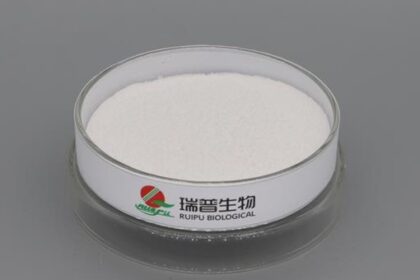
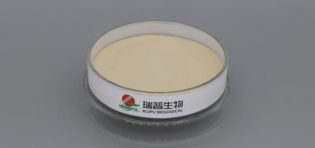
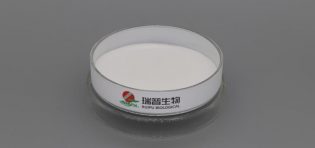
This is precisely where the unique chemical structure of Ferric Sodium Edetate provides a highly effective and scientifically validated resolution. Unlike simple, unchelated iron salts, Ferric Sodium Edetate is a sophisticated chelated compound where the central iron ion is tightly and securely bound to an EDTA molecule. This protective chelation prevents the iron from interacting prematurely with other sensitive functional ingredients in the formulation matrix during processing and storage. Because the iron remains securely shielded until it reaches the highly acidic environment of the human stomach, it does not catalyze lipid oxidation or trigger unwanted color changes, even when subjected to harsh thermal processing methods like UHT pasteurization or hot-fill bottling. For B2B clients, this chemical stability means you can maintain the bright, clear appearance of your beverages and preserve the delicate, natural flavor profiles of your products without the need for excessive masking agents, artificial flavorings, or heavy sweeteners.
To truly maximize the benefits of this advanced ingredient, formulators must apply it strategically within their specific product categories and leverage tailored application solutions. For instance, when developing clear, fruit-flavored sports drinks, energy waters, or functional teas, utilizing Ferric Sodium Edetate ensures the liquid remains visually transparent and completely free from sediment over a standard twelve-to-eighteen-month shelf life. In the context of health supplement raw materials, such as liquid multivitamins, nutritional syrups, or pediatric drops, this chelated iron source guarantees consistent dosing, excellent bioavailability, and high gastrointestinal tolerance without the nausea often associated with unchelated iron. Additionally, manufacturers can utilize specialized application solutions to optimize the dispersion and solubility of Ferric Sodium Edetate in high-fiber or high-protein nutritional shakes, ensuring uniform distribution and preventing localized clumping. By integrating this highly stable iron source, brands can confidently market clean-label, great-tasting fortified products that meet rigorous quality and sensory standards.
| Iron Source | Chemical Form | Oxidation Risk | Sensory Impact | Ideal Application |
|---|---|---|---|---|
| Ferrous Sulfate | Unchelated Salt | High | Metallic taste, browning | Low-cost dry blends |
| Ferrous Gluconate | Unchelated Salt | Moderate | Slight color change | Basic dietary supplements |
| Ferric Sodium Edetate | Chelated Compound | Very Low | Neutral taste, clear liquid | Fortified beverages, liquid vitamins |
In summary, while formulating with iron will always present certain technical complexities, transitioning to Ferric Sodium Edetate offers a reliable, efficient, and scientifically sound pathway to overcome these traditional barriers. By prioritizing chemical stability, sensory neutrality, and high bioavailability, food and beverage developers can create superior, market-ready products that deeply resonate with health-conscious consumers. As the nutritional industry continues to evolve and consumer expectations rise, partnering with experienced nutrient manufacturers to refine your specific application solutions will be essential for staying competitive, ensuring regulatory compliance, and delivering consistent, high-quality nutritional innovations to the global market.
Frequently Asked Questions (FAQ)
Why do traditional iron salts cause problems in beverage formulations?
Traditional iron salts like ferrous sulfate release free iron ions that can easily catalyze oxidation. This often leads to the degradation of sensitive vitamins and causes unwanted color changes in the final product.
For instance, if you add free iron to a citrus drink enriched with vitamin C, the iron will rapidly break down the ascorbic acid. This reaction usually turns the liquid into an unappealing brownish color and ruins the overall sensory experience.
How does Ferric Sodium Edetate solve these stability issues?
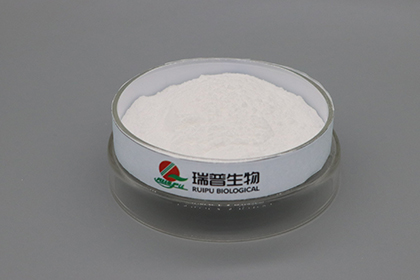
Ferric Sodium Edetate is a chelated compound where the iron ion is tightly bound to an EDTA molecule. This protective structure prevents the iron from interacting prematurely with other sensitive ingredients in your formulation matrix.
Because the iron remains securely shielded during processing and storage, it does not trigger lipid oxidation or unwanted browning reactions. This allows you to maintain the bright appearance and natural flavor profile of your beverages without using heavy masking agents.
What types of products benefit the most from using this chelated iron source?
Clear fruit-flavored sports drinks, energy waters, and functional teas benefit immensely because the liquid remains visually transparent and free from sediment. It is also highly effective in liquid multivitamins and nutritional syrups where consistent dosing and excellent gastrointestinal tolerance are required.
Manufacturers developing high-protein nutritional shakes or plant-based milks will also find it useful since it prevents interactions with naturally occurring phytates and proteins. This ensures uniform distribution and prevents the gritty mouthfeel that consumers typically dislike.
Are there any specific processing conditions I should consider when using Ferric Sodium Edetate?
You can confidently subject your formulations to harsh thermal processing methods like UHT pasteurization or hot-fill bottling without worrying about iron degradation. The chemical stability of the chelate ensures that the nutrient profile remains intact even under high-temperature conditions.
It is also important to work closely with your nutrient raw material suppliers to optimize the dispersion and solubility of the ingredient. They can provide tailored application solutions to prevent localized clumping, especially in complex dry-blend or high-fiber matrices.