The modern global economy relies heavily on round-the-clock operations, leading to a significant increase in the number of night shift workers across healthcare, logistics, manufacturing, and technology sectors. This expanding demographic faces unique physiological challenges, including disrupted circadian rhythms, chronic fatigue, and irregular eating habits, which often result in suboptimal nutritional status and compromised metabolic health. For manufacturers in the health and wellness sector, this represents a substantial and growing market opportunity that requires targeted intervention. Developing specialized nutritional products requires a deep understanding of the specific metabolic and dietary needs of those working unconventional hours. As consumer awareness regarding occupational health and preventive wellness rises, the demand for specialized nutrient raw materials designed to support energy metabolism, immune resilience, and overall vitality is higher than ever before.
When formulating products aimed at combating fatigue and supporting the immune system of night shift employees, product developers frequently encounter a major hurdle regarding mineral supplementation, particularly iron. Iron is crucial for oxygen transport and cellular energy production, yet many traditional iron salts used in food and supplement manufacturing are notorious for causing gastrointestinal discomfort, such as nausea, cramping, or constipation. This is especially problematic for night shift workers, whose digestive systems are already under significant stress due to circadian misalignment and irregular meal timing. Furthermore, poor absorption rates in standard inorganic iron compounds mean that the intended functional benefits are rarely fully realized by the end consumer. Consequently, brands struggle to create effective, user-friendly health supplement raw materials that deliver consistent results without alienating consumers through adverse side effects, leading to high product abandonment rates and negative market feedback.
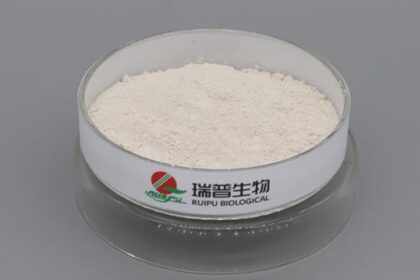
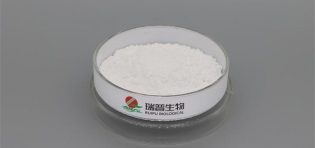
To address these complex formulation challenges, Ferrous Gluconate emerges as a highly effective and exceptionally well-tolerated alternative for product developers. As an organic iron compound, Ferrous Gluconate offers superior bioavailability compared to many inorganic counterparts, ensuring that the body can efficiently absorb and utilize the mineral to support cellular respiration and energy generation. More importantly, it is remarkably gentle on the gastrointestinal tract, making it an ideal choice for individuals with sensitive digestion or those experiencing gut stress from irregular shift schedules. When sourcing high-quality functional ingredients for energy-support products, incorporating Ferrous Gluconate allows manufacturers to deliver meaningful nutritional support without the typical digestive drawbacks associated with older iron sources. For example, a leading sports and occupational nutrition brand recently reformulated their nighttime recovery drink by switching to Ferrous Gluconate, which not only improved the product's tolerability profile but also enhanced consumer compliance and positive feedback regarding sustained energy levels and reduced morning grogginess.
| Industry Sector | Primary Challenge | Metabolic Impact | Targeted Nutrient | Ferrous Gluconate Benefit |
|---|---|---|---|---|
| Healthcare | Disrupted circadian rhythms | Compromised immune response | Iron and Vitamin C | Enhanced oxygen transport |
| Logistics | Chronic physical fatigue | Reduced cellular energy | Organic iron salts | High bioavailability |
| Manufacturing | Irregular eating habits | Suboptimal nutrient absorption | Bioavailable minerals | Gentle on digestion |
| Technology | Prolonged cognitive strain | Oxidative stress accumulation | Antioxidants and Iron | Supports brain oxygenation |
Integrating Ferrous Gluconate into various product matrices requires strategic formulation, but it offers remarkable versatility as one of the premier beverage ingredients and food additives. In the beverage sector, its relatively mild taste profile and good solubility make it suitable for functional energy drinks, fortified waters, and nutritional shakes designed for on-the-go consumption by night shift personnel. To maximize absorption, formulators should consider pairing it with Vitamin C or other organic acids, which create an optimal environment for iron uptake in the gut. This synergy is critical because ascorbic acid helps maintain iron in its more absorbable ferrous state, preventing it from oxidizing into the less soluble ferric form during the product's shelf life. In the realm of dietary supplements, it can be seamlessly blended into capsules, tablets, or gummies, serving as a core component in comprehensive daily multivitamins tailored for occupational wellness. For instance, a manufacturer developing a chewable gummy for healthcare workers on night rotations found that Ferrous Gluconate provided the necessary iron content without compromising the gummy's texture or introducing an unpleasant metallic aftertaste. By developing customized application solutions, manufacturers can create synergistic blends that combine this iron source with B-vitamins and botanical extracts, providing a holistic approach to managing shift-work fatigue and supporting cognitive function during extended waking hours.
The health and wellness needs of night shift workers present a compelling and highly profitable niche for forward-thinking food, beverage, and supplement brands. By prioritizing high-quality, easily absorbed, and gentle nutrient raw materials like Ferrous Gluconate, companies can develop products that genuinely resonate with this underserved and hardworking demographic. Understanding the unique physiological stressors of shift work and addressing them through scientifically sound formulation strategies will not only drive product innovation but also build strong, long-lasting brand loyalty. As the market for targeted functional nutrition continues to expand globally, leveraging premium ingredients and robust application solutions will be key to capturing market share. Ultimately, providing reliable, science-backed nutritional support will empower night shift workers to maintain their well-being, while delivering tangible commercial value to manufacturers navigating the demands of the modern health and wellness industry.
Frequently Asked Questions (FAQ)
Why do night shift workers need extra iron supplementation?
Night shift workers often experience disrupted circadian rhythms and irregular eating habits, which can lead to poor nutrient absorption and chronic fatigue. Iron is essential for oxygen transport and energy production, making it a critical nutrient for those working unconventional hours.
When the body lacks sufficient iron, it struggles to produce enough healthy red blood cells to carry oxygen efficiently throughout the body. This can result in severe tiredness and decreased cognitive function, which are especially dangerous for people operating machinery or making critical decisions during overnight shifts.
What makes Ferrous Gluconate better than other iron supplements for shift workers?
Ferrous Gluconate is an organic iron compound that is known for its excellent bioavailability and gentle effect on the digestive system. Many traditional iron salts cause gastrointestinal issues like nausea or constipation, which can be particularly uncomfortable for night shift workers whose digestion is already stressed by irregular meal times.
Because it is easily absorbed and well-tolerated, it ensures that the body actually utilizes the mineral without causing the adverse side effects that often make people stop taking their supplements. This makes it an ideal functional ingredient for formulating daily energy and wellness products tailored to this specific demographic.
How can manufacturers incorporate Ferrous Gluconate into products for night shift employees?
Product developers can use Ferrous Gluconate in a wide variety of formats, including functional energy drinks, fortified nutritional shakes, and easy-to-take gummies or capsules. Its mild taste profile and good solubility make it particularly suitable for beverages that workers can consume quickly during short breaks.
To maximize the absorption of this iron source, formulators often pair it with Vitamin C or other organic acids in the same product matrix. This synergistic approach not only improves the overall efficacy of the supplement but also creates a comprehensive application solution that addresses multiple aspects of shift-work fatigue.