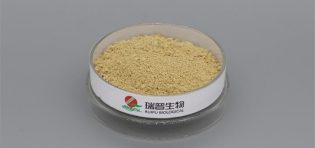
In the rapidly evolving landscape of nutritional manufacturing, the demand for high-quality nutrient raw materials continues to surge as consumers seek out fortified foods and dietary supplements. Iron remains one of the most sought-after functional ingredients globally, essential for supporting general wellness and energy metabolism. For B2B manufacturers developing everything from sports drinks to daily multivitamins, selecting the right iron source is a foundational step that dictates both the efficacy and the market success of the final product. As the industry shifts toward cleaner labels and better sensory experiences, formulators are constantly evaluating traditional options against modern alternatives to meet these rising consumer expectations.
However, integrating iron into complex matrices presents significant formulation hurdles, particularly when dealing with sensory degradation and gastrointestinal comfort. Ferrous sulfate has long been the industry standard due to its high solubility and cost-effectiveness, but it is notorious for causing oxidative rancidity in lipid-containing foods and imparting a strong metallic aftertaste in liquid applications. Furthermore, many end-users report mild gastrointestinal discomfort when consuming high doses of ferrous sulfate, which can negatively impact consumer compliance in daily health routines. The high reactivity of the free ferrous ion in sulfate can also trigger the Fenton reaction in liquid matrices, leading to the generation of free radicals that degrade sensitive components and compromise the overall nutritional profile. On the other hand, while alternative sources exist, formulators often struggle with balancing the lower solubility of certain compounds against their superior stability, leaving product developers searching for the ideal balance between bioavailability, sensory neutrality, and manufacturing feasibility.
To address these formulation challenges, it is crucial to conduct a direct comparison between ferrous sulfate and ferrous fumarate, providing tailored application solutions based on the specific product matrix. Ferrous sulfate is highly water-soluble, making it a practical choice for dry blends like powdered drink mixes or hard gelatin capsules where moisture is strictly controlled. Conversely, ferrous fumarate offers a distinct advantage in complex food systems and chewable formats because its lower solubility in water translates to a much milder sensory profile, effectively masking that undesirable metallic taste. When formulating beverage ingredients, particularly those with high water activity or acidic pH levels, ferrous fumarate acts as a more stable functional ingredient that minimizes the oxidation of vitamins and lipids, thereby preserving the intended flavor and color of the drink over its shelf life. By understanding these chemical behaviors, R&D teams can strategically deploy ferrous fumarate in liquid and chewable applications, while reserving ferrous sulfate for dry, cost-sensitive encapsulations.
| Property | Ferrous Fumarate | Ferrous Sulfate | Ideal Application |
|---|---|---|---|
| Water Solubility | Low | High | Fumarate for liquids; Sulfate for dry blends |
| Sensory Profile | Mild, minimal metallic taste | Strong metallic aftertaste | Fumarate for chewables and beverages |
| Oxidative Stability | High, protects sensitive nutrients | Low, may trigger Fenton reaction | Fumarate for fortified plant milks and shakes |
| GI Tolerance | Generally well-tolerated | Higher risk of mild discomfort | Fumarate for daily gummies and soft chews |
| Cost Effectiveness | Moderate | Highly economical | Sulfate for cost-sensitive dry capsules |
The strategic selection between these two iron sources directly enhances the commercial viability and consumer acceptance of the final product. For manufacturers focusing on health supplement raw materials, utilizing ferrous fumarate in soft chews or gummy vitamins ensures a pleasant tasting experience without the metallic tang, which is especially critical for pediatric and adult gummy markets. In the realm of fortified plant-based milks and nutritional shakes, incorporating ferrous fumarate as a premium beverage ingredient prevents the catalytic degradation of sensitive nutrients like vitamin C and omega-3 fatty acids. This careful selection not only extends the shelf stability of the product but also reduces the need for heavy masking agents, allowing brands to maintain cleaner ingredient decks. For contract manufacturers handling large-scale production runs, the physical stability of ferrous fumarate during the blending and tableting processes minimizes equipment wear and prevents unwanted color spotting in white or light-colored tablets. Ultimately, providing these targeted nutrient raw materials empowers brands to deliver consistent quality, ensuring that the end consumer enjoys a product that is both sensorially appealing and reliably formulated.
In conclusion, the debate between ferrous fumarate and ferrous sulfate does not yield a single universal answer, but rather highlights the importance of matrix-specific formulation strategies. While ferrous sulfate remains a highly bioavailable and economical choice for dry, simple delivery systems, ferrous fumarate stands out as a highly effective functional ingredient for complex, moisture-rich, or chewable applications where sensory quality and oxidative stability are paramount. By leveraging the unique properties of each compound, manufacturers can optimize their application solutions to meet the diverse demands of the modern food and supplement industries. Moving forward, continuous collaboration between raw material suppliers and product developers will remain essential in navigating these technical nuances, ensuring that the next generation of fortified products delivers both nutritional integrity and an exceptional consumer experience.
Frequently Asked Questions (FAQ)
Is ferrous sulfate absorbed better by the body than ferrous fumarate?
Both of these iron sources actually offer quite similar absorption rates when taken on an empty stomach, typically ranging between 10 to 15 percent depending on the individual's current iron stores. The main difference lies in how they interact with your digestive system rather than a massive gap in overall bioavailability.
However, ferrous sulfate dissolves much faster in the stomach, which can sometimes lead to a rapid spike of free iron ions that irritate the gut lining. Ferrous fumarate releases its iron a bit more gradually, making it a much gentler option for people who experience nausea or stomach cramps with traditional iron supplements.
Why do beverage manufacturers often prefer ferrous fumarate over ferrous sulfate?
When you are formulating a liquid product like a sports drink or a fortified juice, ferrous sulfate can be a real headache because its high solubility triggers oxidative reactions that ruin the flavor and color. It often leaves a strong, unpleasant metallic aftertaste that is incredibly difficult to mask even with heavy sweeteners and artificial flavorings.
Ferrous fumarate, on the other hand, is much less soluble in water, which means it stays relatively stable in liquid matrices without causing those nasty oxidative issues. This chemical stability allows beverage developers to maintain a clean, fresh taste profile while still delivering a solid nutritional punch to the end consumer.
Will switching to ferrous fumarate completely eliminate digestive side effects?
While it is true that ferrous fumarate is generally much better tolerated by the digestive tract, it is practically impossible to guarantee a complete elimination of all side effects for every single user. Iron is inherently a reactive mineral, and taking high doses of any iron compound can still cause mild constipation or dark stools in sensitive individuals.
That being said, the incidence of severe gastrointestinal distress like sharp cramps and acute nausea is noticeably lower with fumarate compared to sulfate. Formulators often pair it with gentle dietary fibers or vitamin C to further enhance tolerance and absorption, creating a much more comfortable daily supplement experience for the consumer.