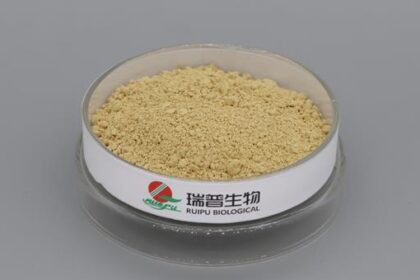
The modern beverage market is rapidly evolving as consumers increasingly seek out drinks that offer more than just basic hydration. This shift in consumer preference is driving a surge in demand for functional waters, fortified juices, and nutritional dairy alternatives. As a result, manufacturers are actively exploring nutrient raw materials to create value-added products that align with modern wellness lifestyles. Among these essential minerals, calcium remains a highly sought-after component for supporting bone health and general physical well-being. However, formulators often face significant technical challenges when integrating calcium into complex liquid systems. Common issues include unwanted precipitation, a chalky mouthfeel, and adverse interactions with other beverage ingredients that can compromise both the visual appeal and the taste of the final product. Overcoming these formulation hurdles requires a strategic, science-backed approach to ensure long-term stability and high consumer acceptance.
The first essential tip is to carefully manage the pH levels and solubility parameters of your liquid base. Calcium gluconate is widely favored among health supplement raw materials because of its highly favorable solubility profile compared to other calcium salts, but it still requires precise pH control to remain completely dissolved throughout the product shelf life. If the beverage is highly acidic, such as a citrus-based sports drink, the calcium ions might interact with pectin or other stabilizers, leading to unexpected gelation or cloudiness. To prevent this, formulators should buffer the system and maintain a pH that aligns with the ideal stability range of the mineral. For instance, when developing a clear, fortified apple juice, adjusting the acidity with a mild buffer like potassium citrate ensures the mineral remains invisible and fully dissolved, preserving the bright, transparent appearance that consumers expect from premium juice products.
The second tip focuses on optimizing the sensory profile by effectively managing the mineral impact on taste and mouthfeel. Even though calcium gluconate has a relatively neutral taste compared to calcium carbonate, high fortification levels can still introduce a slight astringency or a metallic aftertaste that alters the intended flavor of your beverage ingredients. To counteract this, it is crucial to work closely with flavor houses to develop a tailored masking system. In a practical scenario, if you are formulating a plant-based oat milk fortified with calcium, the natural earthy notes of the oats can sometimes amplify the mineral taste. By introducing a touch of natural vanilla extract or a subtle caramel flavor, you can beautifully round out the flavor profile and completely mask any residual astringency, resulting in a smooth, creamy, and highly palatable functional drink. This careful balance ensures that the nutritional benefits do not come at the expense of the drinking experience, which is critical for repeat purchases.
| Formulation Focus | Recommended Strategy | Target Beverage | Key Additive | Primary Benefit |
|---|---|---|---|---|
| pH and Solubility | Buffer the system to maintain ideal stability range | Clear Fruit Juices | Potassium Citrate | Prevents precipitation and cloudiness |
| Sensory Profile | Use complementary flavors to mask mineral astringency | Plant-Based Milks | Natural Vanilla Extract | Ensures smooth and creamy mouthfeel |
| Nutritional Synergy | Blend with complementary vitamins and minerals | Sports Recovery Water | Vitamin D3 and Magnesium | Enhances overall functional value |
| Shelf-Life Stability | Conduct accelerated testing under various temperatures | Functional Waters | Stabilizing Agents | Guarantees long-term product quality |
The third tip involves leveraging synergistic blends to enhance the overall nutritional profile and functional appeal of your drink. Modern consumers are highly educated and often look for comprehensive application solutions that offer multiple health benefits in a single serving. Instead of relying solely on calcium, consider combining calcium gluconate with other complementary functional ingredients like vitamin D3, magnesium, or vitamin K
These components work together to support efficient nutrient utilization and provide a more compelling marketing story. For example, in a premium recovery water designed for active individuals, blending calcium gluconate with magnesium and a water-soluble form of vitamin D not only improves the functional value of the drink but also justifies a premium price point on the retail shelf, giving your brand a distinct competitive edge in the crowded sports nutrition sector.
Implementing these three formulation strategies delivers substantial application value for beverage and food manufacturers. By mastering pH control, sensory optimization, and synergistic blending, companies can transform a basic hydration product into a highly stable, great-tasting functional drink. This meticulous approach to utilizing nutrient raw materials ensures that the final product maintains its physical stability, meets rigorous quality standards, and resonates with health-conscious consumers. Furthermore, partnering with reliable suppliers for high-quality raw materials guarantees consistency in every production batch, minimizing downtime and reducing waste. Ultimately, successfully integrating calcium gluconate into your beverage portfolio allows you to meet the rising market demand for nutritious, convenient, and enjoyable daily drinks while maintaining robust profit margins and fostering long-term brand loyalty.
Frequently Asked Questions (FAQ)
Why is calcium gluconate preferred over other calcium salts for beverage fortification?
Calcium gluconate is highly favored because it offers excellent solubility in water compared to other forms like calcium carbonate. This means it dissolves easily without leaving a chalky residue at the bottom of the bottle, which is a common issue with less soluble salts.

It also has a much more neutral taste profile, which prevents the metallic or bitter aftertaste that can ruin the flavor of delicate fruit juices or clear functional waters. This makes it an ideal choice for formulators who want to maintain the original sensory qualities of their beverages.
How can I prevent precipitation when adding calcium gluconate to acidic drinks?
Preventing precipitation in acidic beverages requires careful management of the pH levels and the use of appropriate buffering agents. You should aim to maintain the pH within a stable range that keeps the calcium ions fully dissolved and prevents them from interacting with other ingredients like pectin.
Adding a mild buffer such as potassium citrate can help stabilize the system and ensure the drink remains clear and visually appealing throughout its entire shelf life. It is always a good practice to run accelerated stability testing to confirm that no cloudiness or settling occurs under various temperature conditions.
What are the best ways to mask the taste of calcium in fortified plant-based milks?
Masking the mineral taste in plant-based milks involves working closely with flavor profiles that naturally complement the base ingredients. Introducing subtle flavors like vanilla, caramel, or cocoa can beautifully round out the taste and effectively hide any slight astringency caused by the added minerals.
You can also use a small amount of natural sweeteners or specific masking agents designed for mineral fortification to ensure a smooth and creamy drinking experience. Collaborating with an experienced flavor house will help you fine-tune these additions so the final product tastes indulgent rather than medicinal.
Can I combine calcium gluconate with other vitamins in a single beverage formulation?
You can absolutely combine calcium gluconate with other functional ingredients like vitamin D, magnesium, or vitamin K to create a synergistic nutritional profile. These complementary nutrients work together to support better absorption and offer a more comprehensive health benefit to the modern consumer.
When blending multiple active ingredients, it is important to test the stability of the final formula to ensure that no adverse chemical reactions occur over time. Working with a reliable supplier for your nutrient raw materials will provide you with the technical support needed to perfect these complex multi-nutrient application solutions.