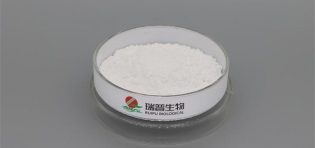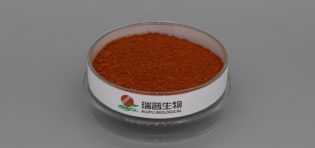
The functional beverage and dietary supplement sectors are experiencing a significant surge in demand for immune-supporting formulations, driving formulators to seek highly bioavailable mineral sources. Zinc Lactate has emerged as a preferred choice among many product developers due to its favorable absorption profile and gentle interaction with the gastrointestinal tract. However, integrating this specific mineral into complex liquid systems is notoriously difficult. Recently, a product development director from a leading sports drink company summarized their struggle perfectly by stating, "I used 2 months, ruined 6 Zinc Lactate batches." This candid admission reflects a widespread industry bottleneck. While Zinc Lactate is an excellent functional ingredient on paper, its practical integration into liquid matrices often leads to severe stability and sensory issues, causing costly delays and wasted raw materials for manufacturers trying to scale up their production.
The core issues that ruined those six batches primarily revolve around precipitation, pH fluctuation, and an unpalatable metallic aftertaste. In aqueous systems, especially those containing high levels of proteins or certain organic acids, zinc ions readily dissociate and react to form insoluble complexes. This results in visible sedimentation at the bottom of the bottle, which consumers often mistake for spoilage. Furthermore, Zinc Lactate can act as a catalyst for lipid oxidation in emulsions, leading to off-flavors. The metallic taste is another major hurdle; even at low concentrations, free zinc ions interact with taste receptors, creating a harsh, astringent mouthfeel that ruins the sensory profile of fruit-flavored beverages. When formulators attempt to simply increase the acidity to keep the zinc in solution, they inadvertently compromise the integrity of other sensitive beverage ingredients, creating a cascading failure in the overall formulation stability.
To resolve these formulation roadblocks, our technical team developed a comprehensive set of application solutions tailored specifically for mineral-fortified liquids. The first critical step involves implementing a precise pH buffering system combined with targeted amino acid chelation. By introducing specific food-grade buffering agents, we stabilize the liquid matrix at an optimal pH range that keeps the zinc ions soluble without degrading other functional ingredients. The second step addresses the sensory challenges through advanced flavor masking techniques. Instead of merely adding excessive sugar or artificial sweeteners to overpower the metallic notes, we utilize natural flavor modulators and specific citrus terpenes that bind to the taste receptors and block the perception of astringency. Finally, we completely overhauled the manufacturing protocol by introducing a staged temperature-controlled mixing process. By dispersing the nutrient raw materials in a warm, high-shear aqueous phase before introducing the sensitive flavoring compounds, we ensure a homogenous distribution that prevents localized concentration spikes and subsequent precipitation. Additionally, we recommend conducting accelerated stability testing at various temperature gradients to predict long-term behavior, ensuring the final formula remains robust under diverse supply chain conditions.
| Formulation Challenge | Root Cause | Affected Product | Technical Solution | Expected Outcome |
|---|---|---|---|---|
| Precipitation | Ion dissociation | Clear Beverages | Amino acid chelation | Homogenous liquid |
| Metallic Taste | Receptor interaction | Fruit Drinks | Citrus terpenes | Masked astringency |
| pH Fluctuation | Acid degradation | Protein Shots | Precision buffering | Stable matrix |
| Lipid Oxidation | Catalytic reaction | Emulsions | Temperature control | Extended shelf life |
Implementing these refined technical protocols delivers immense value to B2B clients operating in the competitive health and wellness space. For brands utilizing supplement raw materials to create liquid shots or gummies, the enhanced stability ensures a consistent dosage throughout the product's shelf life, which is critical for maintaining consumer trust and regulatory compliance. In the beverage sector, the improved sensory profile allows manufacturers to create clear, great-tasting functional drinks that appeal to a broader demographic, moving beyond the niche medicinal market. By leveraging our customized application solutions, companies can drastically reduce their research and development cycles, avoiding the costly trial-and-error phase that leads to ruined batches. Ultimately, mastering the integration of these challenging functional ingredients allows brands to confidently launch innovative products that meet the growing consumer demand for effective, daily nutritional support without compromising on taste or visual appeal. This technical mastery also provides a distinct competitive advantage, enabling brands to confidently explore complex multi-mineral blends and cross-category innovations that were previously deemed too unstable for commercial production.
The journey from a failed prototype to a commercially viable, shelf-stable product requires more than just selecting high-quality ingredients; it demands a deep understanding of molecular interactions and processing dynamics. The frustrating experience of ruining multiple batches is a common rite of passage in product development, but it is entirely avoidable with the right technical guidance. As the market for fortified foods and beverages continues to expand, partnering with an experienced manufacturer who understands the intricate behavior of nutrient raw materials is essential. By focusing on scientifically backed formulation strategies and rigorous testing, brands can overcome the inherent challenges of mineral fortification and deliver superior, reliable products to the market.
Frequently Asked Questions (FAQ)
Why is Zinc Lactate so difficult to formulate in liquid beverages?
Zinc Lactate tends to dissociate in aqueous systems, especially when proteins or certain organic acids are present in the formula. This reaction often leads to visible sedimentation at the bottom of the bottle and creates a harsh metallic aftertaste that ruins the overall sensory profile of the drink.
Formulators also struggle with pH fluctuations because increasing acidity to keep the zinc soluble can degrade other sensitive functional ingredients. This cascading effect makes it incredibly challenging to achieve a stable, great-tasting liquid supplement without the right buffering agents.
How can I prevent the metallic aftertaste when using Zinc Lactate?
The most effective approach involves using advanced flavor masking techniques rather than just adding excessive sugar or artificial sweeteners to the mix. Natural flavor modulators and specific citrus terpenes can bind to taste receptors and successfully block the perception of astringency and metallic notes.
It is also crucial to control the manufacturing process by dispersing the nutrient raw materials in a warm aqueous phase before introducing sensitive flavoring compounds. This method ensures the final product maintains its stability and taste quality for a typical shelf life of 12 to 18 months without triggering unpleasant taste interactions.
What causes the precipitation issues in my Zinc Lactate batches?
Precipitation usually occurs when free zinc ions react with other components in the liquid matrix to form insoluble complexes over time. This is especially common in complex formulations that contain high levels of plant proteins, fibers, or certain vitamins that compete for binding sites.
To solve this, you need to implement a precise pH buffering system combined with targeted amino acid chelation to stabilize the liquid matrix. Keeping the pH within an optimal range ensures the zinc ions remain fully soluble throughout the entire production cycle without compromising the integrity of other active ingredients.