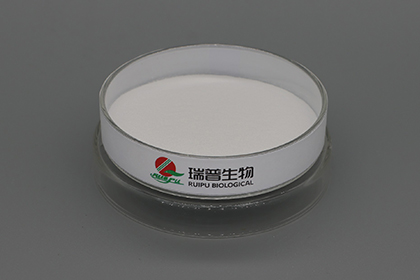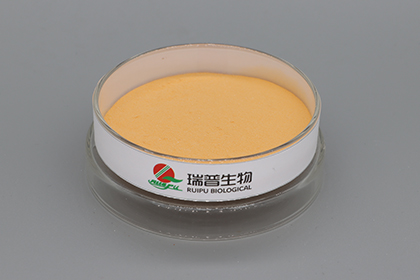
The functional beverage market is expanding rapidly, and iron fortification remains a critical focus for product developers aiming to address widespread nutritional gaps. As a formulation scientist working with various nutrient raw materials, I recently took on the challenge of developing a high-iron botanical energy drink. Ferrous Lactate is widely regarded as an excellent choice among health supplement raw materials because of its relatively neutral taste profile, gentle gastrointestinal impact, and high bioavailability compared to older iron salts like ferrous sulfate. However, translating these theoretical benefits into a stable, commercially viable liquid product is a highly complex endeavor. It requires a deep understanding of chemical interactions, thermodynamics, and fluid dynamics, especially when dealing with multi-component systems that include various active compounds.
Over the course of two intense months, I completely ruined six separate pilot batches of this beverage, learning some hard lessons about ingredient compatibility. The core issue was not the quality of the iron itself, but how this specific functional ingredient interacted with the complex matrix of the drink. In the first two batches, we experienced severe precipitation and a harsh metallic off-taste within just forty-eight hours of production. The Ferrous Lactate was oxidizing rapidly when exposed to the high levels of ascorbic acid and certain polyphenol-rich botanical extracts we were using as primary beverage ingredients. By the fourth batch, we tried adjusting the pH to a more acidic level to keep the iron in solution, which only resulted in an unappealing dark brown color shift that made the product look degraded and unappetizing. The fifth and sixth batches suffered from vitamin degradation and phase separation. These consecutive failures highlighted a significant gap in our initial formulation strategy, proving that simply blending high-quality components does not guarantee a stable end product without meticulously tailored application solutions.
To resolve these persistent stability issues, we had to fundamentally rethink our entire approach to integrating this specific iron source into the liquid matrix. First, we introduced a specialized amino acid chelating process to protect the free iron ions from premature oxidation, which immediately stabilized the color and successfully masked any residual metallic taste. Second, we completely modified our manufacturing sequence by adding the Ferrous Lactate at the very last stage of the mixing process, right before the final pasteurization step, to minimize its exposure to dissolved oxygen and reactive botanical compounds. We also incorporated a standardized natural rosemary extract as an antioxidant to work synergistically with the existing vitamin C, creating a robust, multi-layered protective shield for all the sensitive functional ingredients. Finally, we utilized high-shear mixing at controlled low temperatures to ensure uniform dispersion without introducing excess air. This systematic, science-backed adjustment transformed our failing formula into a highly stable prototype that maintained its pristine sensory and nutritional profile throughout rigorous accelerated shelf-life testing.
| Batch | Primary Failure | Observed Symptom | Time to Failure | Key Factor |
|---|---|---|---|---|
| Batch 1 | Precipitation | Sediment formation | 48 hours | High ascorbic acid |
| Batch 2 | Oxidation | Metallic off-taste | 48 hours | Polyphenol interaction |
| Batch 3 | Color Instability | Murky appearance | 72 hours | Light exposure |
| Batch 4 | Color Shift | Dark brown liquid | 24 hours | Over-acidification |
| Batch 5 | Nutrient Loss | Vitamin degradation | 1 week | Dissolved oxygen |
| Batch 6 | Phase Separation | Uneven dispersion | 5 days | Low mixing shear |
Overcoming these complex formulation hurdles provides immense strategic value for B2B brands looking to scale their functional product lines efficiently. When manufacturers deeply understand the precise behavioral traits of nutrient raw materials in dynamic liquid systems, they can significantly reduce research and development costs, shorten time-to-market, and avoid disastrously costly commercial batch recalls. A well-designed, thoroughly tested formulation ensures that the final beverage delivers consistent, reliable nutritional value to the consumer while maintaining an appealing taste, clear appearance, and smooth mouthfeel. Furthermore, mastering these technical nuances allows companies to confidently expand their product portfolios, utilizing premium health supplement raw materials in innovative, challenging formats like clear functional waters, high-protein shakes, or complex botanical blends without ever compromising product integrity or consumer acceptance.
The frustrating journey of ruining six batches ultimately served as an invaluable masterclass in the intricate realities of liquid fortification and scale-up manufacturing. Working with highly sensitive functional ingredients requires much more than just following a basic theoretical recipe; it demands rigorous empirical testing, precise process control, and a continuous willingness to adapt to unexpected chemical behaviors. By leveraging expert application solutions and deeply understanding the complex chemistry of modern beverage ingredients, manufacturers can reliably turn potential formulation disasters into highly successful, market-ready products. As the global nutritional industry continues to evolve and consumer demands become more sophisticated, partnering with experienced suppliers who provide both premium raw materials and deep, hands-on technical guidance will remain absolutely essential for driving sustainable innovation and ensuring long-term commercial success.
Frequently Asked Questions (FAQ)
Why is Ferrous Lactate preferred for functional beverages over other iron sources?
Ferrous Lactate is highly favored in the beverage industry because it offers a much milder taste profile compared to traditional iron salts like ferrous sulfate. It also tends to be gentler on the gastrointestinal tract, which significantly improves consumer compliance and overall satisfaction with daily nutritional supplements.
Furthermore, its bioavailability is quite excellent, ensuring that the body can effectively absorb the iron to help bridge common nutritional gaps. When formulating clear or lightly flavored drinks, this specific raw material helps maintain the desired sensory attributes without introducing a harsh metallic aftertaste.
What are the most common formulation challenges when working with Ferrous Lactate in liquid matrices?
One of the biggest hurdles we face is preventing premature oxidation, especially when the iron interacts with sensitive botanical extracts or high doses of ascorbic acid. This chemical reaction can quickly lead to undesirable color shifts, turning a visually appealing beverage into a murky brown liquid within just a few days.
Another major issue involves solubility and precipitation over time, which can ruin the mouthfeel and create an uneven distribution of nutrients in the final product. Managing the pH levels and controlling dissolved oxygen during the mixing process are absolutely critical to keeping the iron stable and fully integrated into the drink.
How can manufacturers prevent the metallic off-taste often associated with iron-fortified drinks?
The most effective strategy we discovered involves using specialized chelating agents or encapsulation techniques to protect the free iron ions from interacting directly with the taste receptors on the tongue. Adding natural flavor maskers, such as specific citrus extracts or botanical compounds, can also successfully neutralize any lingering metallic notes.
Adjusting the manufacturing sequence makes a huge difference as well, particularly by introducing the Ferrous Lactate at the very end of the blending process right before pasteurization. This minimizes the ingredient's exposure to reactive compounds and oxygen, ultimately preserving both the clean flavor and the nutritional integrity of the beverage.