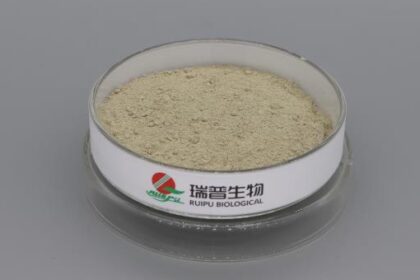
In today's fast-paced corporate environment, a growing demographic of professionals is constantly working overtime, leading to increased physical fatigue and compromised daily wellness. This shift in consumer lifestyle has created a significant market demand for convenient, effective nutritional support. For manufacturers in the food, beverage, and dietary supplement sectors, understanding the specific needs of this exhausted demographic is crucial for product development. Market trends indicate that modern consumers are no longer just looking for basic vitamins; they are actively seeking targeted functional ingredients that support energy metabolism, cognitive focus, and overall vitality during demanding workweeks. Industry reports highlight a steady year-over-year growth in the functional food sector, specifically driven by millennial and Gen Z professionals who view nutrition as a proactive measure against burnout. Consequently, brands that can deliver effective, easy-to-consume nutritional products are gaining a competitive edge in the wellness market.
However, formulating products for busy professionals presents unique challenges for research and development teams. The target audience often prefers convenient formats like ready-to-drink beverages, functional shots, or chewable gummies, which require ingredients with excellent sensory profiles. Many traditional zinc sources, such as zinc sulfate or zinc oxide, suffer from significant drawbacks in these applications. They often introduce an unpleasant metallic aftertaste, exhibit poor solubility in liquid formats, and can cause gastrointestinal discomfort when consumed on an empty stomach. In acidic beverage environments, inorganic zinc can interact with other active compounds, leading to cloudiness, sedimentation, or the degradation of sensitive vitamins. This instability drastically reduces the shelf life of the product and complicates the supply chain. When formulators use these suboptimal sources, the final product may fail to meet consumer expectations for both taste and efficacy, leading to poor repeat purchase rates.
To overcome these formulation hurdles, Zinc Citrate has emerged as a highly effective alternative among premium nutrient raw materials. As an organic zinc salt, it offers a superior nutritional profile and exceptional physical characteristics that align perfectly with modern manufacturing requirements. Zinc Citrate boasts high bioavailability, ensuring that the body can efficiently absorb and utilize the mineral to support normal metabolic functions. The citrate molecule not only enhances the transport of zinc across the intestinal mucosa but also acts as a mild buffering agent, which helps stabilize the overall pH of the final formulation. More importantly for product developers, it possesses a remarkably neutral taste and excellent solubility. This inherent stability reduces the need for excessive preservatives or complex chelating agents, streamlining the ingredient deck and appealing to the growing consumer demand for clean-label products.
| Zinc Source | Bioavailability | Taste Profile | Solubility | Ideal Application |
|---|---|---|---|---|
| Zinc Citrate | High | Neutral | Excellent | Functional Beverages |
| Zinc Sulfate | Moderate | Metallic | Good | Basic Tablets |
| Zinc Oxide | Low | Chalky | Poor | Topical Creams |
The versatility of Zinc Citrate makes it an invaluable asset across various product categories, particularly as a key component in beverage ingredients and health supplement raw materials. For instance, consider the development of a functional wellness shot designed for mid-afternoon energy support. A formulator can seamlessly blend Zinc Citrate with B-vitamins and adaptogenic botanicals without worrying about precipitation or flavor degradation. In another practical scenario, a confectionery brand aiming to create a daily wellness gummy for office workers will find that Zinc Citrate blends smoothly into the pectin matrix, maintaining a clean flavor profile without the need for excessive artificial masking agents. Additionally, for brands exploring powdered stick-pack drinks meant to be mixed with water at the office desk, Zinc Citrate provides rapid dissolution without leaving a gritty residue. When formulators utilize comprehensive application solutions from established suppliers, they receive vital technical support, including precise dosage guidelines and compatibility testing.
As the demand for targeted wellness solutions among overworked professionals continues to rise, the strategic selection of raw materials becomes a defining factor in product success. Zinc Citrate stands out as a superior functional ingredient that bridges the gap between high nutritional value and excellent sensory performance. By prioritizing high-quality nutrient raw materials and collaborating with suppliers who offer comprehensive application solutions, manufacturers can develop compelling, market-ready products that genuinely resonate with the modern workforce. Navigating the complexities of modern nutritional science requires a partnership with reliable manufacturers who understand both the biochemical nuances of their ingredients and the commercial realities of the food and beverage industry. Ultimately, delivering reliable, great-tasting nutritional support to those who need it most will not only drive brand loyalty but also foster long-term growth in the highly competitive health and wellness industry.

Frequently Asked Questions (FAQ)
Why is Zinc Citrate considered a better choice than other zinc sources for energy support beverages?
Zinc Citrate offers superior bioavailability and a much cleaner taste profile compared to inorganic options like zinc sulfate. When formulating ready-to-drink beverages for busy professionals, avoiding that harsh metallic aftertaste is absolutely critical for consumer acceptance. Furthermore, its excellent solubility prevents the cloudiness and sedimentation that often ruin the visual appeal of clear functional drinks.
This organic zinc salt also acts as a mild buffering agent, which helps maintain the stability of other sensitive active ingredients in the formula. Manufacturers find that using Zinc Citrate significantly reduces the need for heavy artificial flavorings or complex masking agents. This ultimately allows brands to create cleaner label products that strongly appeal to health-conscious consumers looking for daily wellness support.
How does Zinc Citrate perform in gummy or chewable supplement formats aimed at office workers?
Formulating gummies for the corporate demographic requires ingredients that blend seamlessly into pectin or gelatin matrices without compromising texture or flavor. Zinc Citrate is highly favored in these applications because it dissolves smoothly and does not introduce the gritty mouthfeel associated with zinc oxide. This ensures the final chewable product remains enjoyable to consume, encouraging consistent daily use among stressed professionals.
Additionally, the stability of Zinc Citrate under the specific temperature and moisture conditions of gummy manufacturing is remarkably reliable. It helps preserve the structural integrity of the gummy over its intended shelf life, which typically ranges from 18 to 24 months. Product developers can confidently scale up their production without worrying about unexpected degradation or moisture migration issues.
What technical support should manufacturers expect when integrating Zinc Citrate into new functional food lines?
When sourcing high-quality nutrient raw materials, brands should look for suppliers who provide comprehensive application solutions rather than just selling the raw powder. Reputable manufacturers will offer detailed compatibility testing to show how Zinc Citrate interacts with specific vitamins, botanicals, and preservatives in your unique formula. This proactive technical guidance helps research and development teams avoid costly trial-and-error phases during the initial prototyping stage.
Suppliers should also provide precise dosage guidelines and regulatory compliance documentation tailored to different global markets. Since the target audience for these overtime-support products often consumes them daily, ensuring the zinc levels are both safe and effective is a top priority. Having direct access to formulation experts ensures that your final product meets all nutritional claims while delivering an exceptional sensory experience.